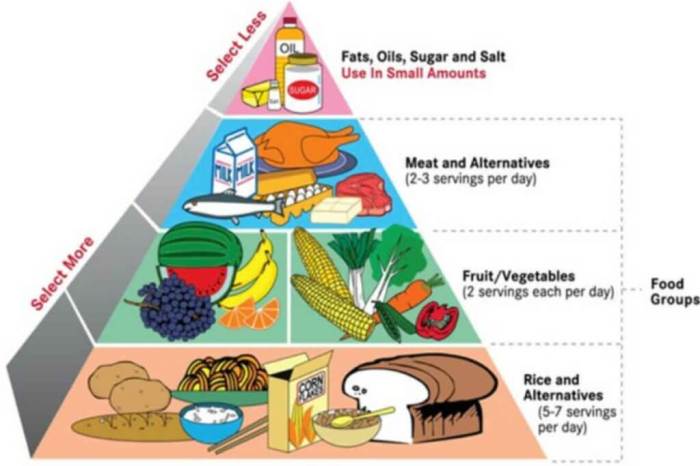
How to follow a balanced diet on a budget is a common concern for many individuals looking to maintain their health without breaking the bank. In this comprehensive guide, we will explore practical strategies and insights to help you achieve your health goals affordably.
From understanding the importance of nutrient-rich foods to cost-effective ways to stay hydrated and manage stress, this guide covers a wide range of topics to support your journey towards a healthier lifestyle without straining your finances.
Balanced Diet
Eating a balanced diet is crucial for maintaining overall health and well-being. It provides your body with the necessary nutrients to function properly, boost immunity, and prevent chronic diseases.
Nutrient-Rich Foods
Include a variety of these foods in your diet to ensure you’re getting essential nutrients:
- Fruits and vegetables: rich in vitamins, minerals, and antioxidants.
- Whole grains: provide fiber, B vitamins, and minerals.
- Lean proteins: such as poultry, fish, tofu, and legumes.
- Dairy or dairy alternatives: for calcium and vitamin D.
- Healthy fats: found in nuts, seeds, and olive oil.
Benefits for Mental Wellness
Following a balanced diet not only benefits your physical health but also plays a significant role in mental wellness:
- Improved mood: Nutrient-rich foods can help regulate neurotransmitters that affect mood.
- Enhanced cognitive function: Certain nutrients support brain health and cognitive function.
- Reduced stress and anxiety: Eating well-balanced meals can help manage stress levels.
Eating Healthy on a Budget: How To Follow A Balanced Diet On A Budget
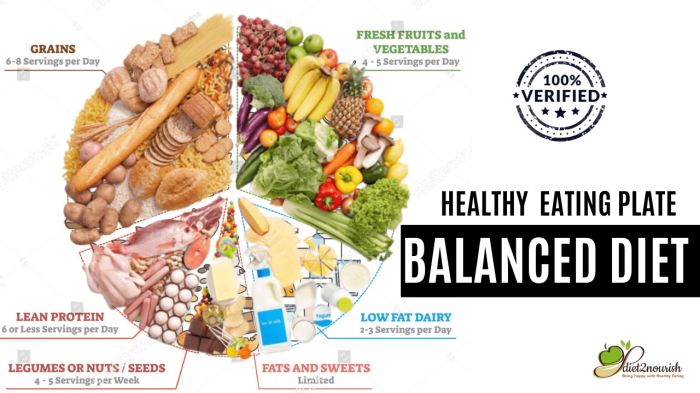
In today’s fast-paced world, it can be challenging to maintain a balanced diet without breaking the bank. However, with smart shopping strategies and meal planning, it is possible to eat healthy on a budget while incorporating fresh produce and whole grains into your daily meals.
Smart Shopping Tips
- Make a grocery list before heading to the store to avoid impulse buys.
- Look for sales and discounts on healthy items like fruits, vegetables, and lean proteins.
- Consider buying store-brand products or items in bulk to save money in the long run.
- Compare prices at different stores and consider shopping at local markets for affordable produce.
Meal Planning and Prepping
- Plan your meals for the week ahead to avoid last-minute takeout or unhealthy choices.
- Cook in batches and freeze individual portions for quick and easy meals throughout the week.
- Use leftovers creatively to reduce food waste and save money on groceries.
Cost-Effective Food Choices
- Opt for seasonal fruits and vegetables that are often cheaper and fresher.
- Buy whole grains like brown rice, quinoa, and oats in bulk for a cost-effective source of fiber and nutrients.
- Consider plant-based proteins like beans, lentils, and tofu as affordable alternatives to meat.
Physical Fitness
Physical fitness is an essential component of overall health and well-being. It is closely linked to maintaining a balanced diet as the nutrients we consume directly impact our energy levels, muscle function, and overall physical performance.
Budget-Friendly Exercise Options
When it comes to staying physically fit on a budget, there are several cost-effective options available. One option is to incorporate bodyweight exercises into your routine, such as push-ups, squats, and planks, which require no equipment and can be done anywhere.
Additionally, activities like walking, jogging, or cycling outdoors are great ways to stay active without the need for a gym membership or expensive equipment.
Incorporating Daily Activity
It is important to make physical activity a part of your daily routine to maintain overall health and well-being. Simple changes like taking the stairs instead of the elevator, going for a walk during your lunch break, or doing a quick workout at home can all contribute to improving your physical fitness levels.
Remember, consistency is key when it comes to staying active and healthy.
Adequate Hydration
Staying hydrated is essential for maintaining overall health and well-being. Proper hydration helps regulate body temperature, aids in digestion, flushes out toxins, and keeps joints lubricated. Dehydration can lead to fatigue, headaches, constipation, and even more serious health issues.
Tips for Ensuring Adequate Hydration on a Budget
- Carry a reusable water bottle with you throughout the day to remind yourself to drink water regularly.
- Opt for tap water instead of bottled water to save money while staying hydrated.
- Infuse your water with fruits or herbs for added flavor without the cost of sugary drinks.
- Eat water-rich foods like cucumbers, watermelon, and oranges to increase your hydration levels.
- Avoid excessive consumption of caffeinated or alcoholic beverages, as they can contribute to dehydration.
Impact of Hydration on Physical Fitness and Mental Wellness
Proper hydration is crucial for physical fitness as it helps maintain energy levels, improve muscle function, and prevent cramps during exercise. Dehydration can lead to decreased performance, muscle fatigue, and increased risk of injury.
Furthermore, staying hydrated is essential for mental wellness as it can improve cognitive function, mood, and concentration. Dehydration has been linked to increased feelings of stress, anxiety, and irritability.
Stress Management
Stress can have a significant impact on our overall health and well-being. It can lead to unhealthy eating habits, poor sleep, and a weakened immune system. Therefore, managing stress effectively is crucial for maintaining a balanced lifestyle.One budget-friendly way to manage stress is through mindfulness and meditation.
These practices can help reduce anxiety, improve focus, and promote relaxation. By incorporating mindfulness exercises into your daily routine, you can better cope with stressors and maintain a sense of calm.
Budget-Friendly Stress Management Techniques
- Practice deep breathing exercises: Deep breathing can help lower stress levels and promote relaxation.
- Engage in physical activity: Exercise is a great way to relieve stress and boost your mood.
- Connect with others: Talking to friends or loved ones can provide emotional support and help alleviate stress.
- Spend time in nature: Being outdoors and enjoying nature can have a calming effect on the mind and body.
Proper Nutrition
Proper nutrition plays a crucial role in preventing chronic diseases, supporting optimal health, and maintaining a positive mindset. By consuming a balanced diet rich in essential nutrients, individuals can enhance their overall well-being and reduce the risk of various health conditions.
Importance of Proper Nutrition for Preventing Chronic Diseases
A diet high in fruits, vegetables, whole grains, lean proteins, and healthy fats can help prevent chronic diseases such as heart disease, diabetes, and certain types of cancer. These nutrient-dense foods provide the body with essential vitamins, minerals, antioxidants, and fiber that support the immune system and promote overall health.
- Eating a variety of colorful fruits and vegetables can provide a range of antioxidants that help protect cells from damage.
- Including whole grains in your diet can help lower cholesterol levels and reduce the risk of heart disease.
- Consuming lean proteins such as poultry, fish, beans, and nuts can support muscle growth and repair.
- Incorporating healthy fats like avocados, nuts, and olive oil can improve brain function and reduce inflammation in the body.
Role of Proper Nutrition in Maintaining a Positive Mindset, How to follow a balanced diet on a budget
Proper nutrition not only impacts physical health but also plays a significant role in mental well-being. Nutrient-rich foods can help regulate mood, improve cognitive function, and reduce the risk of mental health disorders. By fueling the body with the right nutrients, individuals can support their mental health and maintain a positive mindset.
- Omega-3 fatty acids found in fatty fish like salmon and walnuts can help reduce symptoms of depression and anxiety.
- Foods rich in magnesium, such as leafy greens, nuts, and seeds, can help reduce stress and improve sleep quality.
- Consuming complex carbohydrates like whole grains and legumes can boost serotonin levels in the brain, promoting feelings of happiness and well-being.
Quality Sleep
Quality sleep plays a crucial role in maintaining overall wellness, impacting both physical health and mental well-being. The link between a balanced diet and quality sleep is significant, as proper nutrition can support better sleep patterns. Adequate hydration, regular physical activity, and stress management also contribute to improved sleep quality.
Tips for Improving Sleep Quality on a Budget
- Avoid caffeine and heavy meals close to bedtime.
- Establish a bedtime routine to signal to your body that it’s time to sleep.
- Create a comfortable sleep environment with a supportive mattress and pillows.
- Limit screen time before bed to reduce exposure to blue light that can interfere with sleep.
- Practice relaxation techniques such as deep breathing or meditation to calm the mind before sleep.
Impact of Quality Sleep on Physical Health and Mental Well-being
Quality sleep is essential for the body to repair and regenerate tissues, support immune function, and regulate hormones. Lack of quality sleep has been linked to an increased risk of chronic conditions such as obesity, diabetes, and heart disease. Moreover, adequate sleep is vital for cognitive function, mood regulation, and overall mental health.
Immune Boost
Having a strong immune system is crucial for overall health and well-being. A balanced diet plays a significant role in boosting the immune system and protecting the body from illnesses and infections.
Budget-Friendly Immune-Boosting Foods and Supplements
Here are some budget-friendly foods and supplements that can help boost your immune system:
- Oranges and citrus fruits: Rich in vitamin C, known for its immune-boosting properties.
- Yogurt: Contains probiotics that support gut health, which is closely linked to immune function.
- Garlic: Known for its immune-boosting and antimicrobial properties.
- Spinach: Packed with antioxidants and vitamins that help support the immune system.
- Turmeric: Contains curcumin, a compound with powerful anti-inflammatory and antioxidant properties.
- Echinacea: A popular herb believed to boost the immune system.
How a Balanced Diet Supports a Healthy Immune System
A balanced diet provides essential nutrients like vitamins (A, C, D, E), minerals (zinc, selenium, iron), and antioxidants that are crucial for a healthy immune system. Nutrient-rich foods help strengthen the immune response, reduce inflammation, and support the body’s defense mechanisms against harmful pathogens.
Conclusion
In conclusion, following a balanced diet on a budget is not only feasible but also essential for your overall well-being. By incorporating the tips and strategies Artikeld in this guide, you can take significant steps towards a healthier lifestyle without compromising your financial stability.
Start implementing these changes today and witness the positive impact they can have on your health and happiness.
Top FAQs
How can I follow a balanced diet on a budget?
To follow a balanced diet on a budget, focus on incorporating affordable nutrient-rich foods like beans, lentils, eggs, and seasonal fruits and vegetables. Plan your meals, shop smart, and avoid processed foods to stay within your budget.
Is it possible to maintain physical fitness on a budget?
Absolutely! You can engage in budget-friendly physical activities like walking, jogging, cycling, or bodyweight exercises at home. These activities are not only cost-effective but also highly beneficial for your overall health.
How does stress management relate to following a balanced diet on a budget?
Stress management plays a crucial role in maintaining a balanced lifestyle, especially when it comes to making healthy food choices. By incorporating stress-relief techniques like mindfulness and meditation, you can better adhere to your budget while prioritizing your well-being.