Importance of emotional well-being in holistic health is crucial for overall well-being. Exploring how emotional health impacts physical well-being and contributes to a healthy lifestyle is essential in understanding the holistic approach to health.
Importance of Emotional Well-being in Holistic Health
Emotional well-being plays a crucial role in achieving holistic health by impacting both mental and physical aspects of an individual’s well-being. When emotions are properly managed and cared for, the overall health of a person can significantly improve.
Connection between Emotional Well-being and Overall Holistic Health
Emotional well-being is interconnected with various aspects of holistic health, including mental, physical, and social well-being. When emotions are balanced and positive, it can lead to improved overall health and well-being. On the other hand, negative emotions or stress can have detrimental effects on the body and mind, leading to various health issues.
Impact of Emotional Health on Physical Health
Emotional health directly impacts physical health in many ways. Chronic stress, anxiety, and depression can weaken the immune system, increase the risk of heart disease, and lead to other physical ailments. On the contrary, positive emotions such as joy, love, and gratitude can boost the immune system, improve cardiovascular health, and contribute to a longer life.
Examples of How Emotional Well-being Contributes to a Healthy Lifestyle
1. Regular exercise
Engaging in physical activity can help release endorphins, which are known as “feel-good” hormones, improving mood and reducing stress levels.
2. Mindfulness and meditation
Practicing mindfulness and meditation techniques can help individuals manage their emotions better, reduce anxiety, and promote relaxation.
3. Healthy relationships
Maintaining positive relationships with family and friends can provide emotional support, reduce feelings of loneliness, and contribute to overall emotional well-being.
4. Adequate sleep
Getting enough quality sleep is essential for emotional regulation, mood stability, and overall well-being.
Balanced Diet
Maintaining a balanced diet is crucial for supporting emotional well-being as it provides the necessary nutrients that influence brain function and mood regulation. A diet rich in essential vitamins, minerals, and antioxidants can help improve mental wellness and overall emotional balance.
Role of Nutrient-rich Foods
Eating a variety of whole foods such as fruits, vegetables, whole grains, lean proteins, and healthy fats can significantly impact emotional well-being. These foods contain essential nutrients that support brain health and neurotransmitter function, ultimately affecting mood and emotional stability.
- Fatty Fish: Rich in omega-3 fatty acids, fatty fish like salmon, mackerel, and sardines can help reduce symptoms of depression and anxiety.
- Dark Leafy Greens: Vegetables like spinach, kale, and broccoli are high in magnesium, which has been linked to lower levels of anxiety and stress.
- Berries: Berries like blueberries, strawberries, and blackberries are packed with antioxidants that can help combat oxidative stress and improve mood.
- Nuts and Seeds: Almonds, walnuts, chia seeds, and flaxseeds are rich in healthy fats and nutrients that support brain health and cognitive function.
Influence on Mental Wellness
A balanced diet not only provides the necessary nutrients for optimal brain function but also helps regulate blood sugar levels, which can impact mood stability. Moreover, consuming a variety of nutrient-rich foods can reduce inflammation in the body, which has been linked to mental health disorders such as depression and anxiety.
By prioritizing a balanced diet, individuals can better support their emotional well-being and overall mental wellness.
Mental Wellness
Maintaining good mental wellness is crucial for overall holistic health. Mental wellness is closely connected to emotional well-being, as emotions play a significant role in our mental state. When our emotions are balanced and well-managed, our mental wellness is positively impacted.
Strategies for Improving Mental Wellness
- Practice mindfulness and meditation to calm the mind and reduce stress levels.
- Engage in regular physical exercise to release endorphins and improve mood.
- Seek therapy or counseling to address underlying issues and develop coping mechanisms.
- Establish a healthy work-life balance to prevent burnout and promote mental well-being.
- Connect with loved ones and build a strong support system for emotional support.
Importance of Mental Health in Preventing Chronic Diseases
Maintaining good mental health is not only important for our emotional well-being but also plays a crucial role in preventing chronic diseases. Chronic stress, anxiety, and depression can weaken the immune system and contribute to the development of various health conditions.
By prioritizing mental wellness and seeking help when needed, individuals can reduce their risk of chronic diseases and lead a healthier, more balanced life.
Physical Fitness
Regular exercise plays a crucial role in promoting emotional well-being as part of holistic health. It not only enhances physical health but also has significant impacts on mental and emotional wellness.
Contribution to Emotional Well-being
Regular physical activity has been linked to the release of endorphins, often referred to as “feel-good” hormones. These endorphins help reduce feelings of pain and trigger a positive feeling in the body, contributing to a sense of overall well-being.
- Exercise can act as a natural antidepressant, helping to alleviate symptoms of anxiety and depression.
- Engaging in physical activity can improve self-esteem and boost confidence levels, leading to a more positive outlook on life.
- Regular exercise can also enhance cognitive function and improve sleep quality, both of which are essential for emotional stability.
Role in Managing Stress
Physical fitness plays a vital role in managing stress levels by providing a healthy outlet for pent-up energy and emotions. Exercise helps to regulate the body’s stress response system, reducing the production of stress hormones such as cortisol.
- Physical activity promotes relaxation and can help in clearing the mind, allowing individuals to better cope with stressors.
- Engaging in regular exercise routines can improve resilience to stress and enhance the ability to handle challenging situations.
- By focusing on the present moment during physical activity, individuals can practice mindfulness, which is beneficial for stress management.
Benefits on Emotional Balance, Importance of emotional well-being in holistic health
The benefits of physical activity on emotional balance extend beyond immediate mood improvements. Regular exercise can have lasting effects on emotional well-being by promoting overall health and vitality.
- Physical fitness can help individuals develop a sense of purpose and accomplishment, leading to increased feelings of satisfaction and happiness.
- Engaging in physical activities with others can foster social connections and support systems, which are crucial for emotional well-being.
- By incorporating exercise into daily routines, individuals can establish healthy habits that contribute to long-term emotional balance and well-being.
Adequate Hydration
Staying hydrated is crucial for maintaining emotional well-being as it plays a vital role in regulating mood, reducing stress, and improving overall mental health.
The Link Between Hydration and Mental Clarity
Proper hydration is directly linked to mental clarity and cognitive function. Dehydration can lead to difficulties in focusing, memory problems, and mood swings, affecting overall emotional well-being.
Tips for Maintaining Adequate Hydration
- Carry a reusable water bottle with you throughout the day to ensure easy access to water.
- Set reminders to drink water regularly, especially if you have a busy schedule.
- Incorporate hydrating foods such as fruits and vegetables into your diet.
- Avoid excessive consumption of caffeinated or sugary beverages, as they can lead to dehydration.
- Monitor your urine color – pale yellow indicates good hydration, while darker yellow may signal dehydration.
Stress Management
Stress management is crucial for promoting emotional balance and overall holistic health. It involves various techniques to help individuals cope with and reduce stress levels, ultimately enhancing emotional well-being.
Various Stress Management Techniques
- Practice mindfulness and meditation to focus on the present moment and calm the mind.
- Engage in regular physical exercise to release endorphins and reduce stress hormones.
- Establish a healthy work-life balance to prevent burnout and reduce stress from everyday responsibilities.
- Utilize relaxation techniques such as deep breathing exercises or progressive muscle relaxation to alleviate tension.
- Connect with others through social support networks to share experiences and receive encouragement.
Impact of Stress on Holistic Health
Stress can have a significant impact on overall holistic health, affecting not only emotional well-being but also physical and mental wellness. Chronic stress has been linked to various health issues such as heart disease, obesity, and mental health disorders. It is essential to manage stress effectively to prevent these negative consequences and maintain a balanced state of health.
Examples of How Stress Management Enhances Emotional Well-being
- Reduced anxiety and depression symptoms through regular stress management practices.
- Improved sleep quality and overall mood by managing stress levels effectively.
- Enhanced focus and productivity at work or school by implementing stress reduction techniques.
- Increased resilience and ability to cope with challenges by developing healthy stress management strategies.
Preventive Care
Regular preventive care plays a crucial role in maintaining emotional well-being and overall holistic health. By prioritizing routine check-ups and screenings, individuals can take proactive steps to prevent chronic diseases and ensure their well-being.
Role of Preventive Care
Preventive care involves a series of measures aimed at identifying potential health issues before they escalate into major concerns. This proactive approach allows individuals to address any underlying health issues early on, preventing them from developing into more serious conditions.
- Regular Check-ups: Routine visits to healthcare providers for check-ups can help monitor overall health and detect any potential problems at an early stage.
- Screenings: Various screenings such as blood tests, mammograms, and colonoscopies can help identify risk factors for diseases like cancer and heart disease, enabling timely intervention.
- Vaccinations: Staying up to date on vaccinations can prevent infectious diseases and protect both individual health and public health.
Importance of Preventive Care
Preventive care is essential in preventing chronic diseases and promoting emotional well-being by addressing health concerns before they become serious. It not only saves lives but also reduces healthcare costs and improves quality of life.
Quality Sleep
Quality sleep plays a crucial role in maintaining emotional well-being and overall holistic health. It is during sleep that our bodies repair and rejuvenate, allowing us to cope with daily stressors and maintain mental wellness.
Connection between Quality Sleep and Emotional Well-being
Quality sleep is directly linked to emotional well-being as it helps regulate emotions, improve mood, and reduce the risk of developing mental health issues such as anxiety and depression. Lack of adequate sleep can lead to irritability, mood swings, and difficulty in coping with stress, ultimately affecting emotional balance.
Tips for Improving Sleep to Support Holistic Health
- Establish a regular sleep schedule by going to bed and waking up at the same time every day, even on weekends.
- Create a relaxing bedtime routine to signal your body that it’s time to wind down, such as reading a book or taking a warm bath.
- Avoid caffeine, heavy meals, and electronic devices before bedtime, as they can disrupt sleep patterns.
- Ensure your sleep environment is dark, quiet, and cool to promote quality rest.
Impact of Sleep on Mental Wellness and Emotional Balance
Adequate and quality sleep is essential for mental wellness and emotional balance. It helps improve concentration, memory, and decision-making abilities, while also reducing the risk of cognitive decline and mood disorders. Prioritizing good sleep hygiene can significantly contribute to maintaining a healthy mind and emotional well-being.
Immune Boost: Importance Of Emotional Well-being In Holistic Health
Emotional well-being plays a crucial role in boosting the immune system. When we are in a positive state of mind, our body is better equipped to defend against illnesses and infections.
Relationship between Emotional Balance and Immunity
Our emotions and immune system are interconnected. Studies have shown that chronic stress, anxiety, and negative emotions can weaken our immune response, making us more susceptible to diseases. On the other hand, maintaining emotional balance through practices like mindfulness, meditation, and positive thinking can strengthen our immunity.
Positive Mindset and Immune Function
- Having a positive mindset can enhance immune function by reducing inflammation in the body.
- Optimism and happiness have been linked to a stronger immune response, helping the body fight off infections more effectively.
- Positive emotions trigger the release of endorphins and other feel-good hormones that contribute to overall well-being and immune health.
- Engaging in activities that bring joy and fulfillment can have a direct impact on the immune system, promoting holistic health.
Holistic Health
Holistic health is an approach to healthcare that considers the whole person
- body, mind, spirit, and emotions
- in the quest for optimal health and wellness. Emotional well-being plays a crucial role in holistic health as it impacts how we think, feel, and act in our daily lives. When our emotions are balanced, it can lead to overall well-being and better health outcomes.
Key Components of Holistic Health
- Physical Fitness: Engaging in regular exercise and physical activity to maintain a healthy body.
- Balanced Diet: Eating a variety of nutritious foods to fuel the body and support overall health.
- Adequate Hydration: Drinking enough water to keep the body hydrated and functioning optimally.
- Quality Sleep: Getting sufficient rest to allow the body to recharge and repair itself.
- Stress Management: Finding healthy ways to cope with and reduce stress levels in daily life.
- Preventive Care: Regular check-ups and screenings to detect and prevent potential health issues.
- Immune Boost: Supporting the immune system through healthy habits and lifestyle choices.
Importance of Emotional Balance in Holistic Health
Emotional balance is essential for holistic health as it influences our mental, physical, and spiritual well-being. When we are emotionally balanced, we are better equipped to handle stress, make sound decisions, and maintain healthy relationships. For example, chronic stress and negative emotions can lead to physical health problems such as heart disease, digestive issues, and weakened immune function.
Therefore, achieving emotional balance is integral to overall well-being and holistic health.
Healthy Lifestyle
Adopting a healthy lifestyle is crucial for supporting emotional well-being as it directly impacts our mental and physical health. Lifestyle choices play a significant role in maintaining emotional balance and overall holistic health.
Impact of Lifestyle Choices on Emotional Balance
Our daily habits, such as diet, exercise, sleep, and stress management, can greatly influence our emotional well-being. For example, consuming a balanced diet rich in nutrients can help regulate mood and energy levels, while regular physical activity releases endorphins that reduce stress and anxiety.
“A healthy lifestyle not only benefits our physical health but also plays a vital role in managing our emotions and mental well-being.”
Tips for Cultivating a Healthy Lifestyle for Holistic Health
- Make healthy food choices by including a variety of fruits, vegetables, whole grains, lean proteins, and healthy fats in your diet.
- Stay physically active by engaging in regular exercise, such as cardio, strength training, yoga, or any activity you enjoy.
- Prioritize quality sleep by establishing a bedtime routine and creating a restful sleep environment.
- Practice stress-reducing techniques like mindfulness, deep breathing, meditation, or spending time in nature.
- Stay hydrated by drinking an adequate amount of water throughout the day to support overall health and well-being.
Self-Care
Self-care plays a crucial role in maintaining emotional well-being as it allows individuals to prioritize their mental and physical health. By engaging in self-care practices, individuals can better manage stress, improve their overall mood, and enhance their holistic health.
Importance of Self-Care in Emotional Well-being
Self-care is essential for emotional balance as it helps individuals nurture their mental health and well-being. Taking time for oneself and engaging in activities that promote relaxation and joy can significantly impact one’s emotional state. By practicing self-care, individuals can reduce feelings of anxiety, improve self-esteem, and cultivate a positive outlook on life.
Self-Care Practices for Emotional Balance
- Regular exercise: Physical activity can help release endorphins, the body’s natural mood lifters, promoting emotional well-being.
- Mindfulness meditation: Practicing mindfulness can help individuals stay present and reduce feelings of stress and overwhelm.
- Healthy eating habits: Consuming a balanced diet rich in nutrients can support emotional health and overall well-being.
- Journaling: Writing down thoughts and feelings can provide a sense of clarity and release pent-up emotions.
Examples of Self-Care Routines for Holistic Health
Self-care routines may vary for each individual, but creating a consistent practice can lead to improved emotional well-being and holistic health.
- Setting aside time for self-reflection and introspection.
- Scheduling regular breaks and relaxation periods throughout the day.
- Engaging in hobbies and activities that bring joy and fulfillment.
- Establishing healthy boundaries and learning to say no when needed.
Final Summary
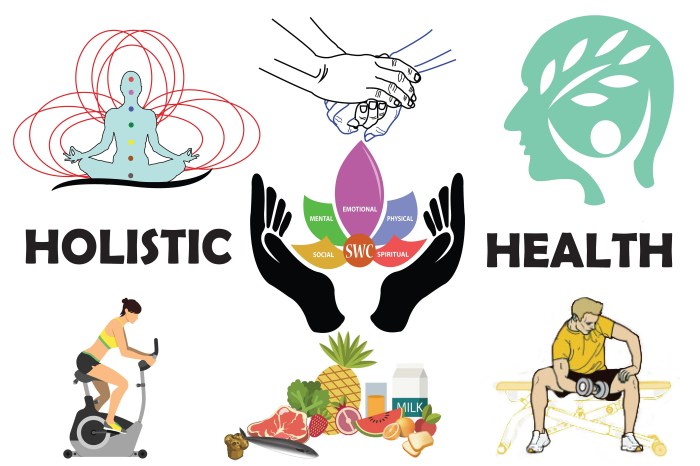
In conclusion, emotional well-being plays a significant role in achieving holistic health. By prioritizing emotional balance, individuals can enhance their overall well-being and lead a healthier, more fulfilling life.
Frequently Asked Questions
How does emotional well-being affect physical health?
Emotional well-being can impact physical health by influencing stress levels, immune function, and overall lifestyle choices.
What are some strategies for improving mental wellness?
Practicing mindfulness, engaging in regular exercise, and seeking therapy or counseling are effective ways to improve mental wellness.
Why is preventive care important for emotional well-being?
Preventive care helps in early detection of health issues, reducing stress levels, and promoting a sense of security and well-being.