
How to engage parents in health education initiatives is crucial for fostering a healthy lifestyle within families. By empowering parents with the right knowledge and tools, we can create a ripple effect that positively impacts the well-being of both parents and children.
Let’s explore practical strategies to involve parents in health education initiatives and inspire lasting changes in family health habits.
Balanced Diet
Maintaining a balanced diet is crucial for overall health and well-being. It ensures that our bodies receive the necessary nutrients to function optimally, supporting physical and mental health.
Importance of a Balanced Diet
A balanced diet consists of a variety of foods that provide essential nutrients such as vitamins, minerals, proteins, carbohydrates, and healthy fats. These nutrients play a vital role in maintaining healthy body functions, boosting immunity, and preventing chronic diseases.
- Eating a balanced diet can help regulate weight, reduce the risk of heart disease, diabetes, and certain cancers.
- It promotes overall well-being, enhances energy levels, and improves focus and concentration.
- A well-balanced diet supports proper growth and development, particularly in children and adolescents.
Nutrient-Rich Foods
Incorporating nutrient-rich foods into our diet is key to achieving balance. Some examples of nutrient-dense foods include:
- Fruits and vegetables: rich in vitamins, minerals, and antioxidants.
- Whole grains: provide fiber, B vitamins, and minerals like iron and magnesium.
- Lean proteins: such as poultry, fish, tofu, and legumes for essential amino acids.
- Healthy fats: found in sources like avocados, nuts, seeds, and olive oil.
- Dairy or dairy alternatives: for calcium, vitamin D, and protein.
Impact of Poor Diet
A poor diet lacking essential nutrients can have detrimental effects on both physical and mental well-being:
- Increased risk of obesity, cardiovascular diseases, and type 2 diabetes.
- Nutrient deficiencies leading to weakened immune system and poor cognitive function.
- Mood swings, fatigue, and mental health issues like anxiety and depression.
- Poor dietary choices can also impact sleep quality and overall quality of life.
Mental Wellness
Mental wellness plays a crucial role in overall health and well-being. It encompasses emotional, psychological, and social well-being, affecting how we think, feel, and act. Maintaining good mental health is essential for coping with stress, relating to others, and making healthy choices.
Strategies for Promoting Mental Wellness Among Parents
- Encourage open communication: Create a safe space for parents to express their feelings and concerns without judgment.
- Promote self-care practices: Encourage parents to prioritize activities that bring them joy and relaxation, such as exercise, hobbies, or meditation.
- Provide resources: Share information on mental health services, support groups, or hotlines that parents can access for help.
- Offer workshops or seminars: Organize events focusing on stress management, mindfulness, and other strategies for improving mental well-being.
The Role of Stress Management in Maintaining Mental Well-being
Stress management is crucial in maintaining mental well-being as chronic stress can have detrimental effects on mental health. By learning to cope with stress effectively, parents can reduce anxiety, improve mood, and enhance overall quality of life.
Physical Fitness
Regular exercise and physical activity are essential for parents as they offer numerous benefits for both physical and mental health. Incorporating physical fitness into daily routines can lead to improved overall well-being and quality of life.
Benefits of Regular Exercise
- Improves cardiovascular health and reduces the risk of heart disease.
- Helps in maintaining a healthy weight and managing stress levels.
- Increases energy levels and promotes better sleep patterns.
- Boosts mood and mental clarity, reducing the risk of anxiety and depression.
Tips for Incorporating Physical Fitness
- Schedule regular workout sessions or physical activities that you enjoy.
- Involve the whole family in outdoor activities like walking, hiking, or biking.
- Use household chores as a way to stay active, such as gardening or cleaning.
- Set realistic fitness goals and track your progress to stay motivated.
Importance of Staying Active
Regular physical activity is crucial for maintaining a healthy lifestyle and preventing chronic diseases. It not only strengthens the body but also has a positive impact on mental health, reducing the risk of cognitive decline and improving overall well-being. By prioritizing physical fitness, parents can set a positive example for their children and instill healthy habits that last a lifetime.
Adequate Hydration
Staying adequately hydrated is crucial for maintaining overall health and well-being. Water plays a vital role in various bodily functions and is essential for maintaining proper hydration levels.
Importance of Hydration
Proper hydration is essential for regulating body temperature, aiding digestion, transporting nutrients, and flushing out toxins. It also helps in maintaining healthy skin and promoting overall well-being.
Recommended Daily Intake
- For parents, the recommended daily intake of water can vary depending on factors such as age, weight, activity level, and climate. As a general guideline, adults are advised to drink at least 8-10 cups (about 2-2.5 liters) of water per day.
- It’s important to note that individual water needs may vary, and it’s essential to listen to your body’s signals for thirst and adjust your water intake accordingly.
Effects of Dehydration
- Dehydration can have various negative effects on the body and mind. Symptoms of dehydration may include thirst, dry mouth, fatigue, dizziness, confusion, and decreased urine output.
- Severe dehydration can lead to serious complications such as heat exhaustion, heatstroke, urinary tract infections, kidney stones, and even cognitive impairment.
- It’s crucial to stay hydrated throughout the day by drinking water regularly, especially during hot weather or when engaging in physical activities.
Regular Exercise
Regular exercise plays a crucial role in preventing chronic diseases and maintaining overall health. It not only helps in controlling weight but also reduces the risk of developing conditions such as heart disease, diabetes, and hypertension.
Simple Exercises for Parents
- Brisk walking: A simple yet effective exercise that can be done indoors or outdoors. Parents can walk around the neighborhood or even inside the house during breaks.
- Bodyweight exercises: Squats, lunges, push-ups, and planks are great exercises that require no equipment and can be done in the comfort of one’s home.
- Dance workouts: Put on some music and dance along to get the heart pumping and burn some calories. This can be a fun way to incorporate exercise into daily routine.
Impact of Physical Activity on Cardiovascular Health
Regular physical activity has a positive impact on cardiovascular health by improving blood circulation, reducing cholesterol levels, and strengthening the heart muscle. It helps in lowering blood pressure, reducing the risk of heart disease, and improving overall heart function.
Healthy Lifestyle
When it comes to parents, a healthy lifestyle encompasses a combination of balanced diet, mental wellness, physical fitness, adequate hydration, regular exercise, and more. It involves making conscious choices in various aspects of life to promote overall well-being and longevity.
What Constitutes a Healthy Lifestyle for Parents?
- Consuming nutritious foods that provide essential vitamins and minerals.
- Engaging in regular physical activity to maintain fitness levels.
- Prioritizing mental health through stress management techniques and self-care practices.
- Getting enough sleep to support the body’s recovery and rejuvenation.
- Avoiding harmful habits such as smoking and excessive alcohol consumption.
Tips for Making Sustainable Lifestyle Changes
- Start small and gradually incorporate healthier habits into your daily routine.
- Set realistic goals that are achievable and sustainable in the long run.
- Seek support from family members, friends, or health professionals to stay motivated.
- Track your progress and celebrate small victories along the way.
- Stay consistent and be patient with yourself as you adapt to a new lifestyle.
Long-Term Benefits of Adopting a Healthy Lifestyle
- Reduced risk of chronic diseases such as heart disease, diabetes, and obesity.
- Improved energy levels and overall vitality for daily activities.
- Enhanced mental clarity and emotional well-being.
- Increased longevity and quality of life in the later years.
- Positive influence on children’s health habits through parental role modeling.
Nutrient-Rich
Consuming nutrient-rich foods is crucial for maintaining optimal health as they provide essential vitamins, minerals, and other nutrients that support various bodily functions. These foods are packed with the necessary components that help promote overall well-being and prevent the onset of diseases.
List of Nutrient-Rich Foods
- Fruits: Berries, citrus fruits, bananas
- Vegetables: Spinach, broccoli, carrots
- Whole grains: Quinoa, brown rice, oats
- Lean proteins: Chicken, fish, tofu
- Dairy: Greek yogurt, milk, cheese
Role of Nutrients in Immune Function
Nutrients play a vital role in supporting the immune system by helping the body combat infections and illnesses. Vitamins like Vitamin C and Zinc are known for their immune-boosting properties, while minerals like Iron and Selenium also contribute to overall immune function.
Including a variety of nutrient-rich foods in the diet can help strengthen the immune system and reduce the risk of falling sick.
Stress Management
Effective stress management is crucial for parents to maintain their overall well-being and effectively support their families. Chronic stress can have a detrimental impact on physical health, leading to issues such as high blood pressure, heart disease, and weakened immune function.
It can also affect mental health, increasing the risk of anxiety, depression, and burnout.
Techniques for Stress Management
- Practice deep breathing exercises: Deep breathing can help calm the mind and body, reducing stress levels.
- Engage in regular physical activity: Exercise is a great way to release endorphins, which are natural stress fighters.
- Get enough quality sleep: Prioritizing sleep is essential for managing stress and promoting overall well-being.
- Practice mindfulness and meditation: Mindfulness techniques can help parents stay present and reduce worries about the future.
Impact of Chronic Stress on Health
Chronic stress can weaken the immune system, making individuals more susceptible to illnesses. It can also contribute to the development of mental health disorders such as anxiety and depression. Additionally, prolonged stress can lead to physical symptoms like headaches, muscle tension, and digestive issues.
Stress-Relieving Activities for Parents
- Engage in hobbies: Spending time on activities that bring joy and relaxation can help alleviate stress.
- Connect with loved ones: Talking to friends and family members can provide emotional support during challenging times.
- Spend time in nature: Being outdoors and connecting with nature has been shown to reduce stress levels and improve mood.
- Consider professional help: Seeking therapy or counseling can provide parents with coping strategies to manage stress effectively.
Preventive Care
Preventive care plays a crucial role in maintaining overall health and well-being. By taking proactive measures to prevent diseases and illnesses, individuals can lead healthier lives and avoid potential health complications in the future.
Importance of Preventive Care
Preventive care involves regular health check-ups, screenings, and vaccinations that can detect potential health issues early on. This proactive approach allows for timely interventions and treatments, ultimately reducing the risk of developing serious health conditions.
Recommendations for Preventive Health Screenings
- Annual physical exams: Regular check-ups with healthcare providers can help monitor overall health and detect any underlying issues.
- Blood pressure screenings: Monitoring blood pressure levels can help prevent heart disease, stroke, and other cardiovascular conditions.
- Cholesterol screenings: Checking cholesterol levels can identify risks for heart disease and guide lifestyle changes or treatments.
- Colon cancer screenings: Regular screenings can detect colon cancer early, when it is most treatable.
- Mammograms and Pap smears: Women should schedule regular screenings for breast and cervical cancer to detect any abnormalities.
Benefits of Preventive Care
Preventive care can help individuals avoid serious health issues in the future by identifying risk factors early and promoting healthy lifestyle choices. By staying proactive and prioritizing preventive measures, parents can ensure their well-being and longevity.
Proper Nutrition
Proper nutrition plays a crucial role in the health and well-being of parents. It is essential to ensure that they are getting the necessary nutrients to support their overall health and energy levels.
Planning Balanced Meals
When planning meals for the family, aim to include a variety of food groups such as fruits, vegetables, whole grains, lean proteins, and healthy fats. This ensures that parents are receiving a wide range of essential nutrients to support their health.
- Include a colorful variety of fruits and vegetables in each meal to ensure a good intake of vitamins, minerals, and antioxidants.
- Choose whole grains such as brown rice, quinoa, and whole wheat bread to increase fiber intake and promote satiety.
- Incorporate lean proteins like poultry, fish, beans, and tofu to support muscle health and overall well-being.
- Opt for healthy fats from sources like avocados, nuts, seeds, and olive oil to support heart health and brain function.
Reading Food Labels
Reading food labels can help parents make informed nutritional choices when shopping for groceries. Pay attention to serving sizes, calories, and the nutrient content per serving to ensure that the products align with a balanced diet.
Look for foods with lower amounts of saturated fats, added sugars, and sodium. Focus on products high in fiber, vitamins, and minerals.
Quality Sleep
Quality sleep is crucial for overall health and well-being. It plays a vital role in various aspects of our lives, including physical health, mental clarity, emotional stability, and overall productivity. Lack of quality sleep can have detrimental effects on our bodies and minds, leading to a range of health issues.
Importance of Quality Sleep
- During sleep, our bodies repair tissues, synthesize proteins, and release growth hormones, aiding in physical development and immune function.
- Quality sleep is essential for cognitive functions like memory consolidation, learning, and problem-solving.
- Proper sleep contributes to emotional regulation and mood stability, reducing the risk of mental health disorders like anxiety and depression.
Tips for Improving Sleep Quality
- Establish a consistent sleep schedule, going to bed and waking up at the same time every day.
- Create a calming bedtime routine to signal to your body that it’s time to wind down, such as reading a book or taking a warm bath.
- Avoid stimulants like caffeine and electronics before bed, as they can disrupt your sleep cycle.
- Create a comfortable sleep environment by keeping your bedroom cool, dark, and quiet.
Effects of Sleep Deprivation
- Sleep deprivation can weaken the immune system, making you more susceptible to infections and illnesses.
- Chronic lack of sleep is linked to an increased risk of heart disease, diabetes, obesity, and other serious health conditions.
- Insufficient sleep can impair cognitive function, leading to memory problems, lack of focus, and poor decision-making skills.
- Emotionally, sleep deprivation can result in irritability, mood swings, and heightened stress levels.
Cardio Health
Regular exercise that focuses on cardiovascular health is crucial for parents to maintain overall well-being. By incorporating cardio exercises into their routine, parents can improve heart health, reduce the risk of heart disease, and boost their energy levels. It is essential to highlight the importance of maintaining good cardiovascular health for parents of all ages.
Cardio Exercises to Improve Heart Health
- Brisk walking: A simple yet effective way to get the heart pumping and improve circulation.
- Running or jogging: Helps strengthen the heart muscle and increase endurance.
- Cycling: Low-impact exercise that is gentle on the joints while providing a great cardiovascular workout.
- Swimming: Works the entire body and is excellent for heart health and overall fitness.
Benefits of Good Cardiovascular Health
Maintaining good cardiovascular health contributes to overall well-being by:
- Reducing the risk of heart disease and stroke.
- Improving circulation and lowering blood pressure.
- Increasing energy levels and endurance.
- Boosting mood and reducing stress levels.
Immune Boost
Boosting the immune system naturally is essential for overall health and well-being. A strong immune system can help protect against various illnesses and infections. Parents play a crucial role in ensuring their children have a healthy immune system through proper nutrition and lifestyle habits.
Strategies for Boosting Immune System Naturally
- Include immune-boosting foods in the diet such as citrus fruits, berries, garlic, ginger, turmeric, and green leafy vegetables.
- Encourage regular exercise and physical activity to support immune function.
- Promote good hygiene practices like handwashing to prevent the spread of germs.
- Ensure an adequate intake of water to stay hydrated and support immune health.
Role of Healthy Lifestyle in Strengthening Immune System
- A healthy lifestyle that includes balanced nutrition, regular exercise, quality sleep, and stress management can help strengthen the immune system.
- Reducing exposure to toxins and pollutants can also play a role in supporting immune function.
- Encouraging positive social connections and emotional well-being can contribute to overall immunity.
Immune-Boosting Foods and Supplements for Parents
- Examples of immune-boosting foods include yogurt, almonds, spinach, broccoli, and seeds like chia and flaxseed.
- Supplements such as vitamin C, vitamin D, zinc, probiotics, and echinacea can help support the immune system when needed.
- Consulting with a healthcare provider before taking any supplements is recommended, especially for children.
Positive Mindset
Having a positive mindset can greatly impact an individual’s overall health and well-being. It can lead to lower stress levels, increased resilience, improved mental health, and even better physical health outcomes.
Tips for Fostering a Positive Outlook
- Acknowledge and challenge negative thoughts: Encourage parents to identify negative thought patterns and replace them with positive affirmations.
- Practice gratitude: Suggest keeping a gratitude journal or simply taking time each day to reflect on things they are thankful for.
- Engage in self-care activities: Recommend activities that promote relaxation and self-care, such as meditation, yoga, or hobbies they enjoy.
- Surround themselves with positive influences: Encourage parents to seek out supportive and uplifting relationships that nurture a positive mindset.
Benefits of a Positive Attitude
A positive attitude can help parents navigate challenges with a greater sense of optimism and resilience. It can also contribute to improved coping mechanisms and overall mental well-being.
Clean Eating
Clean eating refers to the practice of consuming whole, unprocessed foods in their most natural state. This approach focuses on fresh fruits and vegetables, lean proteins, whole grains, and healthy fats while avoiding processed foods, added sugars, and artificial ingredients.
Clean eating is beneficial for health as it provides essential nutrients, promotes weight management, reduces the risk of chronic diseases, and supports overall well-being.
Benefits of Clean Eating
- Elevates energy levels and improves focus and concentration.
- Boosts the immune system and supports optimal functioning of the body.
- Promotes healthy digestion and reduces inflammation in the body.
Examples of Clean Eating Habits
- Include a variety of colorful fruits and vegetables in your daily meals.
- Opt for whole grains like quinoa, brown rice, and oats instead of refined grains.
- Choose lean proteins such as chicken, fish, tofu, or legumes for your main sources of protein.
- Avoid sugary beverages and opt for water, herbal teas, or infused water for hydration.
- Snack on nuts, seeds, or Greek yogurt instead of processed snacks or sweets.
Clean Eating and Overall Well-being
Clean eating contributes to overall well-being by nourishing the body with essential nutrients, vitamins, and minerals needed for optimal health. By focusing on whole foods and avoiding processed products, individuals can experience increased energy levels, improved mood, better digestion, and enhanced physical performance.
Embracing clean eating habits can lead to long-term health benefits and a higher quality of life.
Daily Activity
Regular physical activity is crucial for parents to maintain their health and well-being amidst busy schedules. Incorporating daily movement not only boosts physical fitness but also improves mental clarity and overall quality of life. Finding simple activities that families can do together can make staying active a fun and enjoyable experience.
Importance of Daily Physical Activity
Engaging in daily physical activity helps parents in maintaining a healthy weight, reducing the risk of chronic diseases such as heart disease and diabetes, and improving mood and mental health. It also sets a positive example for children, promoting a healthy lifestyle from a young age.
Ideas for Incorporating Daily Movement
- Schedule family walks or bike rides after dinner to unwind and spend quality time together.
- Choose activities like dancing, gardening, or playing sports that the whole family can participate in.
- Take breaks throughout the day to stretch, walk, or do quick exercises to break up sedentary periods.
Simple Activities for Fitness
- Jump rope for cardiovascular exercise and coordination.
- Yoga for flexibility, balance, and relaxation.
- Bodyweight exercises like squats, push-ups, and planks for strength training.
Holistic Health: How To Engage Parents In Health Education Initiatives
Holistic health is a concept that focuses on addressing the physical, mental, and emotional well-being of an individual in an integrated manner. It considers the person as a whole, rather than just focusing on specific symptoms or ailments.
When it comes to parents, holistic health is crucial as it allows them to take care of themselves in a comprehensive way, ensuring that they are not only physically healthy but also mentally and emotionally well-balanced. By addressing all aspects of their health collectively, parents can promote overall well-being and lead a more fulfilling and healthy lifestyle.
Holistic Health Practices for Parents
- Engage in regular exercise that combines both cardiovascular activities and strength training to promote physical fitness and overall health.
- Practice mindfulness and stress management techniques such as meditation or deep breathing exercises to support mental and emotional well-being.
- Ensure a balanced and nutrient-rich diet that includes a variety of fruits, vegetables, whole grains, lean proteins, and healthy fats to provide the body with essential nutrients.
- Prioritize quality sleep by establishing a consistent sleep routine and creating a relaxing bedtime environment to support optimal rest and recovery.
- Stay hydrated throughout the day by drinking an adequate amount of water to maintain proper bodily functions and promote overall health.
Mindful Living
Living mindfully involves being fully present and aware of your thoughts, feelings, and surroundings. For parents, this practice can bring numerous benefits to their overall health and well-being.
Benefits of Mindful Living for Parents
- Reduces stress and anxiety levels
- Improves focus and concentration
- Promotes emotional regulation
- Enhances self-awareness and empathy
- Fosters better communication with children
Mindfulness Techniques for Parents
Here are some mindfulness techniques that can help parents reduce stress and anxiety:
- Deep breathing exercises
- Body scan meditation
- Mindful walking or mindful eating
- Journaling thoughts and emotions
- Practicing gratitude and positive affirmations
Improving Health and Well-being through Mindful Living
Practicing mindful living can have a positive impact on overall health and well-being for parents. It can:
- Lower blood pressure and reduce risk of heart disease
- Boost immune system function
- Improve sleep quality and patterns
- Enhance mental clarity and cognitive function
- Promote a sense of calm and inner peace
Emotional Balance
Maintaining emotional balance is crucial for overall health and well-being. It involves being aware of and managing our emotions effectively to cope with daily stressors and challenges. Emotional well-being plays a significant role in our physical health, as it can impact our immune system, cardiovascular health, and even our ability to maintain a healthy lifestyle.
Conversely, our physical health can also influence our emotional state, creating a delicate balance between the two.
Importance of Emotional Balance
- Emotional balance reduces the risk of developing chronic conditions such as heart disease, diabetes, and depression.
- It improves our ability to cope with stress, leading to better decision-making and problem-solving skills.
- Having emotional balance enhances relationships with others and promotes a sense of overall well-being.
Strategies for Achieving Emotional Balance
- Practice mindfulness and meditation to increase self-awareness and regulate emotions.
- Engage in activities that bring joy and relaxation, such as hobbies or spending time with loved ones.
- Seek professional help or counseling if needed to address underlying emotional issues.
Impact of Emotional Well-Being on Physical Health
- Chronic stress and negative emotions can weaken the immune system, making us more susceptible to illnesses.
- Emotional imbalance can lead to unhealthy coping mechanisms such as overeating, substance abuse, or sedentary behavior.
- Positive emotional well-being can improve cardiovascular health and overall longevity.
Health Education
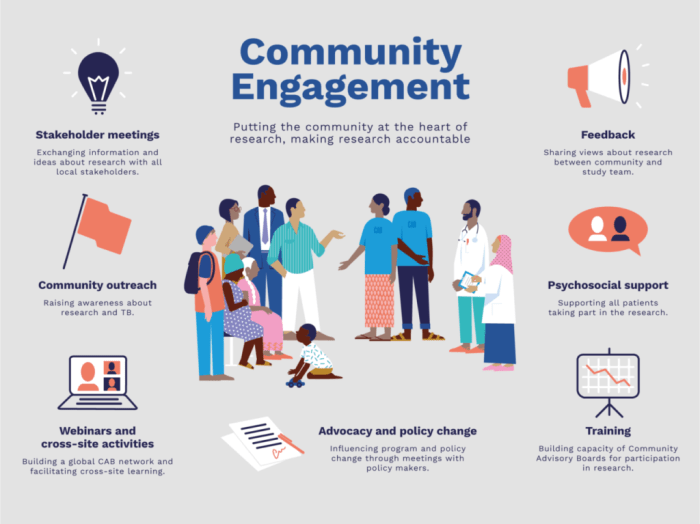
Health education plays a crucial role in empowering parents with the knowledge and skills needed to make informed decisions about their family’s health and well-being.
By providing parents with accurate and up-to-date information on various health-related topics, health education helps them understand the importance of adopting healthy lifestyle choices for themselves and their children. It serves as a preventive measure by promoting habits that can reduce the risk of chronic diseases and improve overall quality of life.
Significance of Health Education for Parents
Health education equips parents with the tools to recognize signs of health issues early on, leading to timely interventions and better health outcomes for their families. It empowers them to navigate the complex healthcare system, advocate for their children’s health needs, and foster a supportive environment that prioritizes well-being.
Role of Health Education in Promoting Healthy Lifestyle Choices
- Health education provides parents with essential information on nutrition, exercise, mental wellness, and preventive care to help them make informed decisions about their family’s health.
- It encourages parents to model healthy behaviors for their children, creating a positive impact on their habits and choices from an early age.
- By promoting regular health screenings and check-ups, health education emphasizes the importance of preventive care and early detection of health issues.
Resources and Tools for Parents to Educate Themselves on Health-Related Topics
- Online platforms and websites offering reliable information on various health topics, such as the Centers for Disease Control and Prevention (CDC) and the World Health Organization (WHO).
- Community workshops, seminars, and health fairs where parents can learn from healthcare professionals and experts in the field.
- Parenting classes and support groups that focus on health education and provide a platform for sharing experiences and knowledge with other parents.
Self-Care
Self-care is crucial for parents to maintain their overall well-being and effectively manage stress. By prioritizing self-care practices, parents can improve their physical, mental, and emotional health, ultimately leading to a better quality of life.
Importance of Self-Care
Self-care is not selfish; it is necessary for parents to recharge and take care of themselves so they can continue to care for their families. Prioritizing self-care helps prevent burnout, reduces stress levels, boosts mood, and increases resilience.
Self-Care Tips and Activities
- Practice mindfulness through meditation or deep breathing exercises to calm the mind.
- Engage in regular physical activity, such as yoga or walking, to promote physical health.
- Create boundaries and prioritize alone time to recharge and relax.
- Pamper yourself with a relaxing bath, skincare routine, or hobbies you enjoy.
- Connect with loved ones or seek support from a therapist or counselor when needed.
Benefits of Prioritizing Self-Care
By incorporating self-care practices into their routine, parents can experience improved overall health, increased energy levels, better focus, and enhanced relationships with their children and partners. Prioritizing self-care allows parents to be more present, patient, and resilient in facing the daily challenges of parenthood.
Chronic Disease
Chronic diseases have a significant impact on families and individuals, affecting not only physical health but also emotional well-being. The long-term nature of these conditions can lead to financial strain, lifestyle limitations, and increased stress levels for both the patient and their loved ones.
Impact on Families, How to engage parents in health education initiatives
- Chronic diseases often require ongoing medical care, leading to frequent hospital visits and medication expenses.
- Family members may need to take on caregiving roles, impacting their own daily routines and personal well-being.
- The emotional toll of witnessing a loved one struggle with a chronic illness can be overwhelming and lead to feelings of helplessness and anxiety.
- Chronic diseases can also strain relationships within families, causing tension and communication breakdowns.
Preventive Measures and Lifestyle Changes
- Encourage regular health check-ups to monitor for early signs of chronic conditions.
- Promote a balanced diet rich in fruits, vegetables, whole grains, and lean proteins to reduce the risk of obesity and related diseases.
- Advocate for regular exercise and physical activity to maintain cardiovascular health and overall well-being.
- Stress the importance of adequate hydration, quality sleep, and stress management techniques to support a healthy lifestyle.
Resources for Parents
- Seek out educational workshops, seminars, or online resources on managing chronic conditions and supporting family members.
- Connect with support groups or community organizations focused on specific chronic diseases for guidance and emotional support.
- Consult healthcare professionals for personalized advice and treatment options tailored to individual needs and circumstances.
- Utilize digital health apps and tools to track symptoms, medication schedules, and lifestyle changes for better disease management.
Closing Summary
In conclusion, engaging parents in health education initiatives is not just about providing information but instilling a sense of empowerment and motivation. By working together to prioritize health and wellness, families can build a foundation for a healthier future. Start the journey towards a healthier lifestyle today by involving parents in meaningful health education initiatives.
FAQ Corner
How can parents be encouraged to participate in health education initiatives?
Parents can be motivated through interactive workshops, informative seminars, and personalized health resources tailored to their needs and interests.
What are some effective ways to make health education engaging for parents?
Utilizing multimedia tools, hands-on activities, and real-life examples can make health education more interactive and relatable for parents.
Why is parental involvement crucial in promoting family wellness through health education?
Parental involvement ensures that health messages are reinforced at home, leading to sustainable lifestyle changes and a supportive environment for healthy habits.


