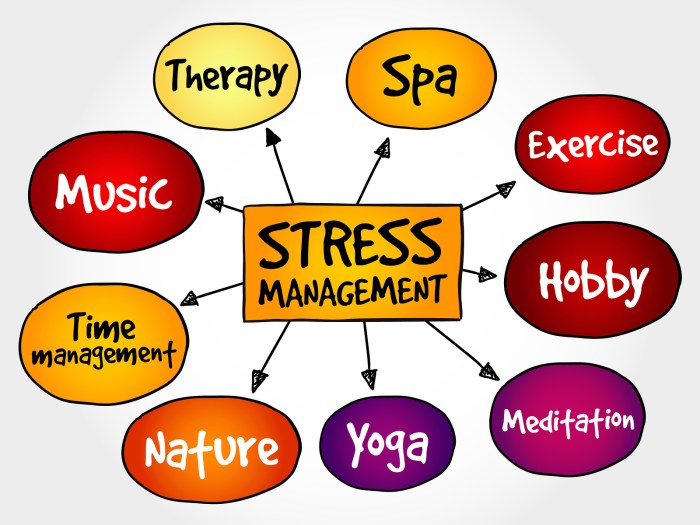
Starting with How to manage stress through time management skills, this paragraph aims to engage readers with a captivating overview of the topic.
As stress continues to be a prevalent issue in today’s fast-paced world, finding effective ways to manage it is crucial for maintaining overall well-being. One key approach is through honing time management skills, which can help individuals prioritize tasks, reduce procrastination, and create a sense of control over their daily lives.
Balanced Diet
Maintaining a balanced diet is crucial for managing stress as the food we eat directly impacts our mood, energy levels, and overall well-being. A diet rich in nutrients can help reduce stress and promote mental clarity.
Nutrient-rich Foods for Stress Reduction
Eating foods high in vitamins and minerals can help combat stress. Some examples of nutrient-rich foods that can help reduce stress include:
- Dark leafy greens like spinach and kale, which are rich in magnesium that helps regulate cortisol levels.
- Fatty fish such as salmon and mackerel, which are high in omega-3 fatty acids that can reduce anxiety and improve mood.
- Berries like blueberries and strawberries, which are packed with antioxidants that combat stress and inflammation.
- Nuts and seeds like almonds and pumpkin seeds, which are good sources of healthy fats and magnesium that support brain health.
Importance of Maintaining a Healthy Diet
A healthy diet not only helps in stress management but also plays a crucial role in overall well-being. Nutrient-dense foods provide the necessary fuel for our bodies to function optimally, improving our immune system, mental clarity, and energy levels.
Tips for Incorporating Fruits and Vegetables
Incorporating more fruits and vegetables into your daily meals can be easy with some simple tips:
- Start your day with a smoothie packed with leafy greens, fruits, and nuts for a nutrient boost.
- Snack on fresh fruits like apples, oranges, or berries throughout the day instead of processed snacks.
- Add extra veggies to your meals by including them in soups, salads, stir-fries, or as side dishes.
- Experiment with different cooking methods like roasting, steaming, or grilling to enhance the flavors of vegetables.
Mental Wellness
Maintaining good mental wellness is crucial in managing stress levels effectively. Our mental health directly impacts how we perceive and handle stressors in our daily lives. When we prioritize our mental well-being, we are better equipped to cope with challenges and maintain a sense of balance.
Role of Mindfulness Practices
Mindfulness practices play a significant role in managing stress by helping individuals stay present in the moment. Techniques such as deep breathing, meditation, and yoga can promote relaxation and reduce anxiety. By cultivating mindfulness, individuals can increase their self-awareness and develop better coping mechanisms for stress.
Techniques for Promoting Mental Well-Being
- Practice relaxation techniques such as deep breathing exercises or progressive muscle relaxation to calm the mind and body.
- Engage in regular meditation sessions to promote mental clarity and reduce stress levels.
- Schedule time for self-care activities that bring joy and relaxation, such as reading, listening to music, or spending time in nature.
- Connect with supportive friends or family members to share your feelings and seek emotional support.
Importance of Seeking Professional Help
It is essential to seek professional help when dealing with mental health concerns that impact your daily life. Mental health professionals, such as therapists or counselors, can provide guidance, support, and therapy to help individuals navigate their emotional well-being. Seeking help is a sign of strength and a proactive step towards better mental wellness.
Physical Fitness
Regular physical activity plays a crucial role in managing stress by releasing endorphins, also known as the “feel-good” hormones. Exercise helps reduce cortisol levels, the stress hormone, and promotes overall well-being.
Examples of Stress-Reducing Exercises
- Yoga: Combines physical postures, breathing techniques, and meditation to reduce stress and increase relaxation.
- Cardiovascular Exercises: Running, cycling, or swimming can help release tension and improve mood.
- Strength Training: Lifting weights or bodyweight exercises can boost self-esteem and energy levels.
Benefits of Regular Physical Activity
Regular exercise not only improves physical health but also enhances mental well-being by reducing symptoms of anxiety and depression. It increases self-confidence, improves sleep quality, and enhances cognitive function.
Tips for Creating a Fitness Routine
- Schedule workouts like appointments: Block out time in your calendar for exercise to make it a priority.
- Choose activities you enjoy: Find exercises that you look forward to doing to stay motivated.
- Start small and gradually increase intensity: Begin with manageable workouts and progressively challenge yourself.
Adequate Hydration
Staying properly hydrated is crucial for managing stress effectively. Dehydration can exacerbate stress levels and impact our overall well-being.
Importance of Hydration, How to manage stress through time management skills
Hydration plays a key role in regulating our body functions, including mood and cognitive performance. When we are dehydrated, it can lead to increased stress, fatigue, and irritability.
Tips for Hydration
- Carry a reusable water bottle with you throughout the day to remind yourself to drink water regularly.
- Set specific goals for water intake, such as drinking a glass of water before each meal.
- Include hydrating foods in your diet, such as fruits and vegetables with high water content.
- Use hydration reminder apps or alarms to prompt you to drink water at regular intervals.
Hydrating Beverages
Here are some examples of beverages that can aid in reducing stress:
- Green tea: Contains antioxidants that have a calming effect on the body.
- Coconut water: Rich in electrolytes to help maintain hydration levels.
- Herbal teas: Chamomile, peppermint, and lavender teas are known for their calming properties.
- Fruit-infused water: Add slices of fruits like lemon, cucumber, or berries to water for a flavorful and hydrating drink.
Regular Exercise
Regular exercise plays a crucial role in managing stress levels and improving overall well-being. By incorporating daily physical activity into your routine, you can experience a wide range of benefits that positively impact both your physical and mental health.
Benefits of Regular Exercise
- Reduces stress and anxiety levels by releasing endorphins, which are natural mood lifters.
- Improves sleep quality, helping you feel more rested and rejuvenated.
- Enhances cognitive function and focus, leading to increased productivity.
- Boosts self-esteem and confidence through achieving fitness goals.
Simple Exercises to Try
- Brisk walking or jogging around your neighborhood or at a nearby park.
- Bodyweight exercises like push-ups, squats, and lunges that can be done at home.
- Yoga or Pilates routines for flexibility, strength, and stress relief.
- Dancing to your favorite music for a fun and effective workout.
Improving Mood and Well-being
Regular exercise is not only beneficial for physical health but also has a significant impact on your mood and overall well-being. Exercise helps in reducing symptoms of depression and anxiety, promoting a sense of accomplishment and empowerment. By making physical activity a priority in your daily routine, you can experience improved mental clarity, increased energy levels, and a more positive outlook on life.
Healthy Lifestyle
Incorporating healthy lifestyle habits plays a crucial role in managing stress effectively and enhancing overall well-being. By focusing on self-care practices and adopting a balanced approach to life, individuals can reduce stress levels and improve their quality of life.
Components of a Healthy Lifestyle for Stress Management
A healthy lifestyle encompasses various components that contribute to stress management:
- Maintaining a balanced diet rich in nutrients and vitamins to support physical and mental health.
- Prioritizing mental wellness through mindfulness, meditation, or therapy to cope with stressors effectively.
- Engaging in regular physical exercise to release endorphins and reduce stress levels.
- Ensuring adequate hydration to support bodily functions and promote overall health.
- Getting enough restful sleep to recharge the body and mind for optimal functioning.
Importance of Self-Care Practices
Self-care practices are essential for maintaining overall health and well-being:
- Setting boundaries to prioritize personal needs and prevent burnout.
- Practicing relaxation techniques such as deep breathing or yoga to alleviate stress.
- Taking time for hobbies and activities that bring joy and fulfillment.
- Socializing with loved ones to foster connections and emotional support.
Tips for Creating a Healthy Lifestyle
Here are some tips to help you establish a healthy lifestyle that promotes well-being and reduces stress:
- Plan nutritious meals and snacks to fuel your body and mind throughout the day.
- Schedule regular exercise sessions to stay active and boost your mood.
- Practice good sleep hygiene by establishing a bedtime routine and creating a restful sleep environment.
- Stay hydrated by drinking an adequate amount of water each day to support bodily functions.
- Take breaks during the day to relax and recharge, avoiding excessive work or screen time.
Habits for a Healthier Lifestyle
Incorporate the following habits into your daily life to promote a healthier lifestyle:
- Engage in regular physical activity, such as walking, jogging, or yoga.
- Practice mindfulness and stress-reducing techniques like deep breathing or progressive muscle relaxation.
- Cultivate positive relationships and social connections for emotional support and companionship.
- Aim for a well-rounded diet that includes fruits, vegetables, whole grains, lean proteins, and healthy fats.
- Make time for hobbies and activities that bring you joy and fulfillment, reducing stress and enhancing well-being.
Nutrient-Rich
Consuming nutrient-rich foods is essential for effective stress management as these foods provide the necessary vitamins, minerals, and antioxidants that support overall health and well-being. Nutrients play a crucial role in regulating stress levels by helping to maintain a healthy nervous system and brain function, which are key factors in managing stress effectively.
Examples of Nutrient-Rich Foods
- Leafy green vegetables such as spinach and kale are rich in vitamins A, C, and K, as well as minerals like iron and calcium, which support overall health and reduce oxidative stress in the body.
- Fatty fish like salmon and mackerel are excellent sources of omega-3 fatty acids, which have been shown to reduce inflammation and improve brain function, helping to alleviate stress and anxiety.
- Nuts and seeds are packed with nutrients such as magnesium, zinc, and vitamin E, which play a role in reducing cortisol levels and promoting relaxation.
Importance of a Balanced Diet
A balanced diet is vital for promoting well-being and reducing stress because it ensures that your body receives all the essential nutrients it needs to function optimally. By incorporating a variety of nutrient-rich foods into your meals, you can support your body’s ability to cope with stress, improve your mood, and boost your overall health.
Stress Management: How To Manage Stress Through Time Management Skills
Managing stress effectively is crucial for maintaining overall well-being. By incorporating time management skills into your daily routine, you can significantly reduce stress levels and improve your quality of life.
Setting Priorities and Creating a Schedule
Creating a schedule and setting priorities can help you stay organized and focused, ultimately reducing feelings of overwhelm and stress. By allocating specific time slots for tasks and activities, you can ensure that you are able to accomplish everything without feeling rushed or anxious.
- Make a to-do list: Write down all the tasks you need to complete and prioritize them based on urgency and importance.
- Use a planner or digital calendar: Schedule your tasks and activities to ensure you have dedicated time for work, relaxation, and self-care.
- Avoid multitasking: Focus on one task at a time to improve efficiency and reduce stress levels.
Identifying and Addressing Sources of Stress
It’s essential to identify the root causes of stress in your daily life in order to address them effectively. By pinpointing specific triggers, you can develop strategies to manage and reduce stress more efficiently.
- Keep a stress journal: Write down situations or events that trigger stress reactions and analyze patterns to identify common stressors.
- Practice mindfulness: Stay present in the moment and observe your thoughts and emotions without judgment to better understand your stress triggers.
- Seek support: Talk to friends, family, or a therapist about your stressors and work together to find solutions and coping mechanisms.
Relaxation Techniques for Managing Stress
Incorporating relaxation techniques into your daily routine can help you unwind, reduce stress, and improve your overall well-being. These techniques can help you relax both mentally and physically, promoting a sense of calm and balance.
- Deep breathing exercises: Practice deep breathing techniques to slow down your heart rate and calm your mind.
- Progressive muscle relaxation: Tense and relax each muscle group in your body to release tension and promote relaxation.
- Mindfulness meditation: Focus on the present moment and observe your thoughts and sensations without judgment to reduce stress and anxiety.
Preventive Care
Preventive care plays a crucial role in managing stress by focusing on proactive measures to maintain overall well-being and prevent health issues before they arise.
Regular Health Check-ups and Screenings
Regular health check-ups and screenings are essential components of preventive care as they help in early detection of any potential health concerns. By staying on top of these appointments, individuals can address any issues promptly and reduce the likelihood of stress-related complications.
Proactive Health Concern Addressing Tips
- Stay informed about your family history and genetic predispositions to be proactive in managing potential health risks.
- Adopt a healthy lifestyle with balanced diet, regular exercise, and adequate hydration to support overall well-being.
- Manage stress through relaxation techniques, mindfulness practices, and seeking professional help when needed.
Preventive Measures for Stress Reduction
- Practice mindfulness and meditation to reduce stress levels and promote mental wellness.
- Engage in regular physical activity to release endorphins and improve mood.
- Ensure a nutrient-rich diet with plenty of fruits, vegetables, and whole grains to support your body’s immune system.
- Get enough sleep to allow your body and mind to rest and rejuvenate.
Proper Nutrition
Proper nutrition plays a crucial role in managing stress levels and overall well-being. The food we eat can impact our stress response, energy levels, and mood. Making mindful dietary choices can help reduce stress and promote a healthier lifestyle.
Benefits of Nutrient-Dense Foods
- Eating a variety of fruits and vegetables rich in vitamins, minerals, and antioxidants can help combat oxidative stress in the body.
- Including lean proteins like chicken, fish, tofu, and legumes can stabilize blood sugar levels and promote satiety, reducing stress-induced cravings.
- Consuming whole grains such as quinoa, brown rice, and oats can provide sustained energy levels and support brain function, helping to cope with stress more effectively.
- Incorporating healthy fats like avocado, nuts, and seeds can boost brain health and mood, reducing the impact of stress on mental well-being.
Quality Sleep
Quality sleep plays a crucial role in managing stress effectively. When we get enough restful sleep, our bodies are better equipped to handle daily challenges and stressors. Lack of quality sleep can lead to increased stress levels, making it harder to cope with demanding situations.
Establishing a Bedtime Routine
Creating a bedtime routine can significantly improve the quality of your sleep. By going to bed and waking up at the same time each day, your body gets into a rhythm, making it easier to fall asleep and wake up feeling refreshed.
Avoiding stimulants like caffeine and electronics before bed can also help promote better sleep.
Creating a Sleep-Friendly Environment
To enhance the quality of your sleep, it’s essential to create a sleep-friendly environment. Keep your bedroom cool, dark, and quiet to promote restful sleep. Invest in a comfortable mattress and pillows to ensure proper support. Additionally, consider using white noise machines or earplugs to block out any disruptive sounds.
Relaxation Techniques for Better Sleep
Engaging in relaxation techniques before bed can help calm your mind and body, making it easier to fall asleep and reduce stress. Some effective techniques include deep breathing exercises, meditation, progressive muscle relaxation, or listening to calming music. By incorporating these practices into your bedtime routine, you can improve the quality of your sleep and overall well-being.
Cardio Health
Regular cardiovascular exercise plays a crucial role in managing stress levels and promoting overall well-being. By incorporating aerobic activities into your routine, you can experience a wide range of benefits that positively impact both your physical and mental health.
Benefits of Cardiovascular Exercise for Stress Management
- Aids in the release of endorphins, also known as “feel-good” hormones, which help reduce stress and elevate mood.
- Improves blood circulation, delivering more oxygen and nutrients to the brain, resulting in enhanced cognitive function and reduced stress.
- Increases heart rate and stimulates the production of neurotransmitters that contribute to stress reduction and relaxation.
Examples of Beneficial Cardio Exercises
- Running or jogging
- Cycling
- Swimming
- Dancing
- Aerobics classes
Importance of Regular Physical Activity for Heart Health and Stress Management
Regular cardiovascular exercise not only strengthens the heart and improves overall cardiovascular health but also plays a significant role in managing stress effectively. By engaging in aerobic activities on a consistent basis, you can reduce the risk of heart disease, lower blood pressure, and enhance your overall well-being.
Make it a priority to incorporate cardio workouts into your routine to reap the benefits of a healthier heart and a calmer mind.
Immune Boost
Stress management plays a crucial role in supporting a healthy immune system. When we are stressed, our body releases cortisol, a hormone that can suppress the immune response, making us more susceptible to illnesses. By effectively managing stress, we can help boost our immune function and overall well-being.
Connection between Stress Management and Immune Function
Stress can weaken the immune system, making it harder for our bodies to fight off infections and diseases. High levels of stress can lead to chronic inflammation, which can negatively impact immune function. By implementing stress management techniques such as mindfulness, meditation, exercise, and adequate sleep, we can support our immune system and reduce the risk of illness.
Lifestyle Habits for a Healthy Immune System
- Engage in regular exercise to boost immune function and reduce stress levels.
- Practice good hygiene habits like washing hands regularly to prevent the spread of germs.
- Get plenty of sleep to allow the body to repair and regenerate, supporting a strong immune system.
- Stay hydrated by drinking an adequate amount of water daily to help flush out toxins and support immune function.
Immune-Boosting Foods and Supplements
- Include foods rich in vitamin C, such as citrus fruits, bell peppers, and strawberries, to support immune function.
- Incorporate foods high in zinc, like nuts, seeds, and legumes, to help boost the immune system.
- Consider taking supplements like vitamin D, probiotics, and echinacea to support overall well-being and immune function.
Positive Mindset
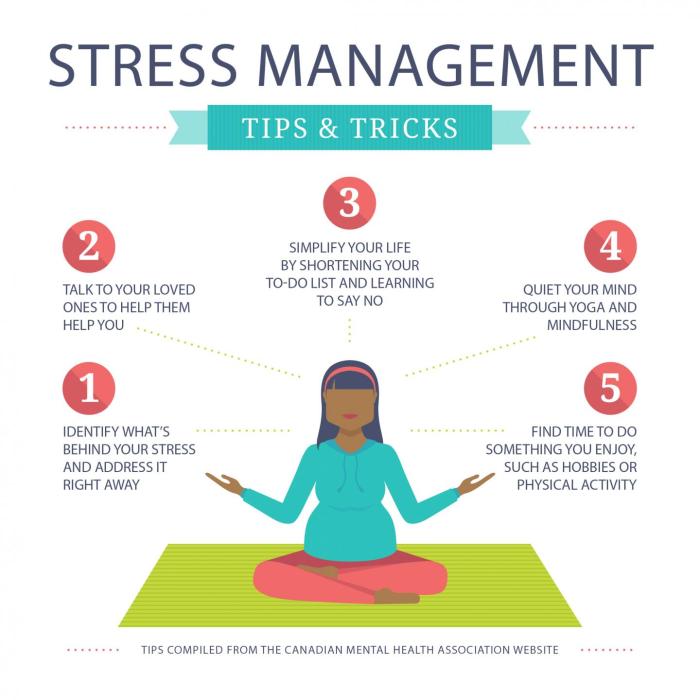
Having a positive mindset plays a crucial role in managing stress effectively. It can significantly impact our overall well-being and resilience in the face of challenges. Cultivating optimism and resilience can help reduce stress levels and improve our ability to cope with difficult situations.
Techniques for Maintaining a Positive Outlook
- Practice gratitude: Taking time to appreciate the good things in your life can shift your focus from negativity to positivity.
- Affirmations: Repeat positive affirmations to yourself daily to reinforce a positive mindset and boost self-confidence.
- Mindfulness and meditation: Engaging in mindfulness practices can help you stay present and reduce negative thought patterns.
- Surround yourself with positivity: Spend time with supportive and uplifting people who can help you maintain a positive outlook.
Clean Eating
Clean eating plays a crucial role in managing stress and promoting overall well-being. By focusing on whole, unprocessed foods, individuals can experience numerous benefits that positively impact their stress levels.
Benefits of Clean Eating for Stress Management
Eating clean, nutrient-rich foods can help regulate the body’s stress response and improve mood stability. By providing essential vitamins, minerals, and antioxidants, clean eating supports overall mental wellness and resilience to stress.
Avoiding Processed Foods and its Impact on Stress Levels
Processed foods often contain high levels of sugar, unhealthy fats, and artificial additives that can contribute to inflammation and hormonal imbalances in the body, leading to increased stress levels. By eliminating these processed foods from your diet, you can help reduce stress and improve your overall health.
Tips for Incorporating Whole, Unprocessed Foods
- Start by focusing on whole foods such as fruits, vegetables, whole grains, lean proteins, and healthy fats.
- Plan your meals ahead of time to ensure you have nutritious options readily available.
- Experiment with different cooking methods such as steaming, grilling, or roasting to enhance the natural flavors of whole foods.
- Stay hydrated by drinking plenty of water throughout the day to support digestion and overall well-being.
Examples of Clean Eating Recipes
- Quinoa Salad with Roasted Vegetables: A colorful and nutrient-packed dish that combines quinoa, roasted vegetables, and a light vinaigrette dressing.
- Grilled Salmon with Steamed Broccoli: A protein-rich meal featuring grilled salmon seasoned with herbs and served with steamed broccoli for a balanced and satisfying dinner.
- Greek Yogurt Parfait with Fresh Berries: A simple and delicious breakfast or snack option that layers Greek yogurt with fresh berries, nuts, and a drizzle of honey for a nutritious treat.
Daily Activity
Regular physical activity is essential for managing stress and promoting overall well-being. By incorporating daily activity into your routine, you can effectively reduce stress levels and improve your mental and physical health.
Importance of Daily Activity
- Engaging in daily physical activity helps release endorphins, which are natural mood lifters and can help reduce stress and anxiety.
- Regular movement throughout the day can improve blood circulation, increase energy levels, and enhance focus and concentration.
- Physical activity also promotes better sleep quality, which is crucial for managing stress and maintaining a healthy lifestyle.
Tips for Staying Active
- Take short breaks throughout the day to stretch or walk around, especially if you have a sedentary job.
- Incorporate exercise into your daily routine, such as walking or biking to work, taking the stairs instead of the elevator, or doing quick home workouts.
- Find activities you enjoy, whether it’s dancing, yoga, or playing a sport, to make staying active more enjoyable and sustainable.
Simple Activities to Reduce Stress
- Practice deep breathing exercises or mindfulness meditation for a few minutes each day to relax your mind and body.
- Take a short walk outdoors to get some fresh air and sunlight, which can help improve mood and reduce stress.
- Engage in activities like gardening, cooking, or playing with pets to distract yourself from stressors and promote relaxation.
Holistic Health
Holistic health is a concept that considers the whole person
- body, mind, and spirit
- in the quest for optimal well-being. When it comes to stress management, addressing physical, mental, and emotional aspects is crucial for reducing stress levels and achieving a balanced life.
Integrating Holistic Practices
- Practice mindfulness and meditation to calm the mind and reduce stress.
- Engage in regular physical activity like yoga or tai chi to promote physical wellness.
- Cultivate strong social connections for emotional support and a sense of belonging.
- Eat a balanced diet rich in nutrients to nourish the body and support overall health.
Examples of Holistic Approaches
-
Acupuncture:
Utilizing acupuncture to balance the body’s energy flow and promote relaxation.
-
Aromatherapy:
Using essential oils to alleviate stress and enhance emotional well-being.
-
Herbal Medicine:
Incorporating herbal remedies to support the body’s natural healing processes.
-
Chiropractic Care:
Adjusting the spine to improve nervous system function and reduce physical tension.
Mindful Living
Living mindfully involves being fully present in the moment and paying attention to your thoughts, feelings, and surroundings without judgment. This practice can significantly reduce stress levels and promote overall well-being.
Principles of Mindful Living
Practicing mindfulness can help you become more aware of your thoughts and emotions, allowing you to better manage stress. By focusing on the present moment and accepting things as they are, you can cultivate a sense of calm and clarity in your daily life.
Incorporating Mindfulness into Daily Activities
- Start your day with a few minutes of mindful breathing or meditation to set a positive tone for the day.
- Practice mindful eating by savoring each bite of your meals and paying attention to the flavors and textures.
- Take short mindfulness breaks throughout the day to check in with yourself and reset your focus.
- Incorporate mindfulness into activities like walking, exercising, or even washing dishes by paying attention to each movement and sensation.
Mindfulness Practices for Calm and Well-being
- Body Scan Meditation: Focus on each part of your body, one at a time, to release tension and promote relaxation.
- Loving-Kindness Meditation: Cultivate feelings of compassion and goodwill towards yourself and others to foster a sense of connection and positivity.
- Grounding Techniques: Use your senses to anchor yourself in the present moment, such as feeling the ground beneath your feet or focusing on the sounds around you.
- Gratitude Journaling: Reflect on things you are grateful for each day to shift your perspective towards positivity and appreciation.
Emotional Balance
Emotional balance plays a crucial role in managing stress effectively. When we can regulate our emotions, we are better equipped to cope with the challenges and pressures that come our way. By understanding and managing our emotions, we can improve our overall well-being and reduce the negative impact of stress on our mental and physical health.
The Importance of Emotional Balance
Achieving emotional balance allows us to respond to stress in a more constructive manner. It helps us avoid impulsive reactions and allows for a more thoughtful and measured approach to dealing with difficult situations. By staying emotionally balanced, we can maintain a sense of control and prevent stress from overwhelming us.
- Practice mindfulness and self-awareness to recognize your emotions as they arise.
- Engage in activities that help you relax and unwind, such as meditation or deep breathing exercises.
- Seek support from friends, family, or a therapist to talk through your emotions and gain perspective on challenging situations.
- Develop healthy coping mechanisms, such as journaling or engaging in hobbies, to channel your emotions in a positive way.
- Set boundaries and prioritize self-care to ensure you are taking care of your emotional well-being.
Health Education
Health education plays a crucial role in stress management by providing individuals with the knowledge and tools to understand and address their physical and mental well-being.
By understanding health concepts, individuals can make informed choices about their lifestyle, including diet, exercise, and stress management techniques. This empowers them to take control of their health and reduce the impact of stress on their overall well-being.
Resources for Learning
- Online courses and workshops on stress management and mental health awareness.
- Books and articles by experts in the field of health education and stress reduction.
- Community programs and support groups focused on promoting holistic health and wellness.
Health Education Programs
- Workplace Wellness Initiatives:Companies offering stress management workshops, yoga classes, and mental health resources to employees.
- School Health Education Curriculum:Incorporating lessons on stress reduction, mindfulness, and healthy habits into school curricula to educate students from a young age.
- Online Platforms:Websites and apps providing resources and tools for individuals to learn about stress management techniques and overall health promotion.
Self-Care
Self-care practices play a crucial role in managing stress and maintaining overall well-being. Taking the time to prioritize self-care can have numerous benefits for physical, mental, and emotional health. By incorporating self-care routines into daily life, individuals can effectively reduce stress levels and improve their quality of life.
Significance of Self-Care in Stress Management
Self-care practices are essential for managing stress as they help individuals unwind, relax, and recharge. By engaging in activities that promote self-care, such as mindfulness exercises, relaxation techniques, and hobbies, individuals can effectively cope with stress and prevent burnout.
Benefits of Prioritizing Self-Care
- Improved mental health and emotional well-being
- Enhanced physical health and immune function
- Reduced risk of chronic illnesses
- Increased resilience to stress and challenges
Creating a Self-Care Routine
To create a well-rounded self-care routine that addresses physical, mental, and emotional needs, individuals can:
- Allocate time for relaxation and leisure activities
- Practice mindfulness and meditation regularly
- Engage in physical exercise or movement that they enjoy
- Prioritize healthy eating habits and adequate sleep
Examples of Self-Care Activities
- Going for a nature walk or spending time outdoors
- Reading a book or listening to calming music
- Taking a warm bath or practicing yoga
- Journaling thoughts and emotions
Chronic Disease
Chronic diseases are long-term health conditions that often develop over time and can significantly impact a person’s quality of life. Managing stress effectively plays a crucial role in preventing the onset or progression of chronic diseases.
Relationship between Stress Management and Chronic Disease Prevention
- Chronic stress can weaken the immune system, making individuals more susceptible to various chronic diseases such as heart disease, diabetes, and autoimmune disorders.
- By implementing stress management techniques, individuals can reduce inflammation in the body, lower blood pressure, and improve overall health, thus lowering the risk of chronic diseases.
Impact of Chronic Stress on Health Conditions
- Chronic stress can contribute to the development of conditions like hypertension, obesity, depression, anxiety disorders, and even certain types of cancer.
- Stress hormones like cortisol can disrupt the body’s natural processes, leading to imbalances that can trigger chronic conditions over time.
Tips for Managing Stress to Reduce Chronic Disease Risk
- Practice relaxation techniques such as deep breathing, meditation, yoga, or mindfulness to alleviate stress and promote overall well-being.
- Engage in regular physical activity to release endorphins, which can help combat the negative effects of stress on the body.
- Establish healthy boundaries, prioritize self-care, and seek social support to manage stress effectively and prevent the onset of chronic diseases.
Lifestyle Changes to Prevent Chronic Diseases through Stress Management
- Adopt a balanced diet rich in fruits, vegetables, whole grains, and lean proteins to support overall health and reduce the risk of chronic conditions associated with stress.
- Get an adequate amount of quality sleep each night to allow the body to recharge and repair, promoting resilience against the effects of chronic stress.
- Incorporate regular exercise into your routine to boost mood, increase energy levels, and enhance physical health, all of which contribute to stress reduction and chronic disease prevention.
Last Point
In conclusion, mastering time management skills is a powerful tool in combating stress and fostering a healthier lifestyle. By implementing strategies discussed in this Artikel, individuals can take proactive steps towards reducing stress levels and improving their overall quality of life.
Question Bank
How can time management skills help in reducing stress?
Effective time management allows individuals to prioritize tasks, avoid last-minute rushes, and create a sense of control over their daily activities, reducing stress levels.
What are some practical tips for incorporating time management skills into daily life?
Some tips include creating to-do lists, setting realistic goals, breaking tasks into smaller steps, and using tools like calendars or apps for better organization.
Is it necessary to seek professional help for stress management?
While self-help strategies can be effective for many individuals, seeking professional help from therapists or counselors is advisable if stress levels become overwhelming or significantly impact daily functioning.


