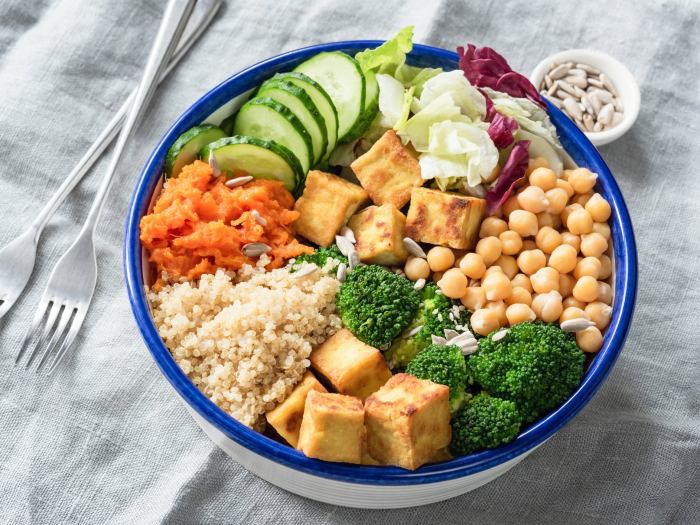
How to achieve proper nutrition with a vegetarian diet – Embarking on the journey of proper nutrition with a vegetarian diet, this introduction sets the stage for a deep dive into the world of plant-based eating, offering insights and tips that are both enlightening and practical.
Exploring the nuances of vegetarian nutrition and its impact on overall health, this guide aims to provide a holistic understanding of how to thrive on a plant-based diet.
Balanced Diet
To maintain a healthy lifestyle with a vegetarian diet, it is crucial to ensure that your meals are well-balanced. A balanced vegetarian diet consists of a variety of nutrient-rich foods that provide essential vitamins, minerals, protein, and fiber needed for optimal health.
Key Components of a Balanced Vegetarian Diet
- Protein: Sources of plant-based protein include legumes (such as lentils, chickpeas, and black beans), tofu, tempeh, edamame, quinoa, nuts, and seeds.
- Vitamins and Minerals: Ensure adequate intake of iron, calcium, vitamin D, vitamin B12, and omega-3 fatty acids through foods like leafy greens, fortified plant-based milk, fortified cereals, nuts, seeds, and algae supplements.
- Fiber: Whole grains, fruits, vegetables, legumes, nuts, and seeds are excellent sources of fiber that support digestion and overall health.
- Healthy Fats: Incorporate sources of healthy fats such as avocados, nuts, seeds, and plant-based oils like olive oil and coconut oil.
- Variety: Include a wide range of fruits, vegetables, whole grains, legumes, nuts, seeds, and plant-based proteins in your diet to ensure you are getting a diverse array of nutrients.
Mental Wellness
Proper nutrition through a vegetarian diet not only benefits physical health but also plays a crucial role in promoting mental well-being. The nutrients found in plant-based foods can have a positive impact on mood, cognitive function, and overall mental health.
Mood-Boosting Foods in a Vegetarian Meal Plan
Incorporating mood-boosting foods in a vegetarian meal plan is essential for maintaining mental wellness. Some examples of these foods include:
- Dark leafy greens like spinach and kale, which are rich in folate that helps regulate mood.
- Whole grains such as quinoa and brown rice, which provide a steady source of energy for the brain.
- Fatty fish alternatives like walnuts and flaxseeds, which are high in omega-3 fatty acids known to support brain health.
- Colorful fruits and vegetables like berries and bell peppers, which are packed with antioxidants that protect the brain from oxidative stress.
Connection Between Gut Health and Mental Health in Vegetarianism
The gut-brain connection is a significant factor in mental health, and maintaining a healthy gut is crucial for overall well-being. In the context of a vegetarian diet, the emphasis on fiber-rich foods, probiotics, and prebiotics can promote gut health, which in turn positively impacts mental wellness.
Physical Fitness
Proper nutrition plays a crucial role in supporting physical fitness and exercise performance. A well-planned vegetarian diet can provide all the necessary nutrients to help you achieve your fitness goals.
Meeting Protein Requirements for Muscle Recovery
Plant-based sources of protein can be just as effective as animal sources for muscle recovery. Incorporating foods such as beans, lentils, tofu, tempeh, quinoa, and nuts into your meals can help meet your protein needs. Remember to include a variety of protein-rich foods throughout the day to ensure you are getting all the essential amino acids your body needs.
- Beans and legumes are excellent sources of plant-based protein and can be easily added to salads, soups, and stir-fries.
- Tofu and tempeh are great meat alternatives that can be used in a variety of dishes like stir-fries, curries, and sandwiches.
- Quinoa is a complete protein that can be used as a base for salads, grain bowls, or as a side dish.
- Nuts and seeds are not only high in protein but also provide healthy fats that are essential for overall health.
Remember to include a variety of protein sources in your meals to ensure you are getting all the essential amino acids your body needs for muscle recovery.
Benefits of Antioxidants from Fruits and Vegetables
Antioxidants found in fruits and vegetables play a key role in promoting overall fitness by reducing inflammation and oxidative stress in the body. Including a wide variety of colorful fruits and vegetables in your diet can help improve recovery time, enhance immune function, and boost overall performance.
- Berries such as blueberries, strawberries, and raspberries are rich in antioxidants and can be added to smoothies, oatmeal, or enjoyed as a snack.
- Dark leafy greens like spinach, kale, and Swiss chard are packed with antioxidants and can be incorporated into salads, soups, and smoothies.
- Brightly colored vegetables like bell peppers, carrots, and sweet potatoes are also rich in antioxidants and can be roasted, steamed, or eaten raw as part of your meals.
By including a variety of fruits and vegetables in your diet, you can benefit from a wide range of antioxidants that support overall fitness and well-being.
Adequate Hydration
Staying hydrated is crucial for overall health, especially when following a vegetarian diet. Proper hydration supports digestion, nutrient absorption, and toxin removal, contributing to optimal well-being.
Creative Ways to Increase Water Intake
- Infuse water with fruits like lemon, berries, or cucumber for added flavor.
- Sip on herbal teas or coconut water for hydration with additional health benefits.
- Incorporate hydrating foods like watermelon, celery, and cucumbers into your meals and snacks.
- Set reminders or use apps to track your water intake throughout the day.
Guidelines for Calculating Daily Water Needs
It’s essential to determine your individual daily water needs based on factors like age, gender, activity level, and climate. A general guideline is to aim for at least 8 cups (64 ounces) of water per day, but adjustments may be necessary based on personal circumstances.
One way to calculate your specific water requirement is to divide your body weight in pounds by 2, which gives you the number of ounces of water you should aim to drink daily.
Regular Exercise
Regular exercise plays a crucial role in maintaining overall health and well-being, and when combined with a vegetarian diet, it can lead to optimal results. The synergy between these two components can enhance energy levels, improve metabolism, and support weight management.
Vegetarian-Friendly Pre- and Post-Workout Meals
Including nutritious plant-based foods in your pre- and post-workout meals can provide the necessary fuel and nutrients for sustained energy and muscle recovery. Consider options like:
- Pre-workout: A smoothie with plant-based protein powder, fruits, and nuts
- Post-workout: Quinoa salad with roasted vegetables and chickpeas
- Snack: Hummus with whole grain crackers or raw vegetables
Exercise Complementing a Plant-Based Lifestyle
Exercise not only strengthens the body but also complements a plant-based lifestyle by improving cardiovascular health, enhancing muscle tone, and boosting mental well-being. Engaging in regular physical activity can help you make the most of the nutrients obtained from a vegetarian diet, promoting overall health and vitality.
Healthy Lifestyle
Adopting a vegetarian diet goes beyond just what you eat; it can contribute significantly to an overall healthy lifestyle. By focusing on plant-based foods, individuals can improve their well-being, reduce the risk of chronic diseases, and promote a more sustainable environment.
Benefits of Mindful Eating
Mindful eating is a practice that involves being fully present and aware of the food you consume. By incorporating mindfulness into your daily routine, you can develop a healthier relationship with food, make better choices, and enjoy your meals more.
- Take time to savor each bite, focusing on the flavors and textures of the food.
- Avoid distractions while eating, such as watching TV or using your phone.
- Listen to your body’s hunger and fullness cues to prevent overeating.
Long-Term Benefits of a Vegetarian Lifestyle
Choosing a vegetarian lifestyle can have numerous long-term benefits on your health and well-being. From reducing the risk of heart disease to improving digestion, the impact of a plant-based diet is far-reaching.
- Lower cholesterol levels and blood pressure, reducing the risk of cardiovascular disease.
- Increased intake of fiber, vitamins, and antioxidants for overall health and immune support.
- Potential weight management and improved energy levels due to a diet rich in plant-based nutrients.
Nutrient-Rich
Proper nutrition for vegetarians goes beyond just eliminating meat from their diets. It is crucial to pay attention to essential nutrients to ensure optimal health and well-being. By incorporating a variety of nutrient-rich plant-based foods, vegetarians can meet their dietary needs effectively.
Key Nutrients for Vegetarians
- Iron:Plant-based sources of iron include lentils, tofu, chickpeas, and fortified cereals. Pairing iron-rich foods with vitamin C-rich foods can enhance iron absorption.
- Calcium:Good sources of calcium for vegetarians include fortified plant-based milk, tofu, almonds, and leafy greens like kale and collard greens.
- Omega-3 Fatty Acids:Flaxseeds, chia seeds, walnuts, and algae-based supplements are excellent sources of omega-3 fatty acids for vegetarians.
Strategies for Nutrient Adequacy
Ensuring nutrient adequacy on a vegetarian diet involves careful planning and attention to detail. Here are some strategies to help maintain a well-balanced and nutrient-rich diet:
- Include a variety of fruits, vegetables, whole grains, legumes, nuts, and seeds in your meals to cover a wide range of essential nutrients.
- Monitor your intake of key nutrients such as iron, calcium, vitamin B12, and omega-3 fatty acids to prevent deficiencies.
- Consider consulting a registered dietitian or nutritionist to create a personalized meal plan that meets your individual nutrient needs.
- Read food labels carefully to identify fortified products that can help boost your intake of essential vitamins and minerals.
- Experiment with new plant-based recipes and ingredients to keep your diet diverse and enjoyable while meeting your nutrient requirements.
Stress Management
Stress is a common part of everyday life, but it’s important to manage it effectively to maintain overall well-being. When following a vegetarian diet, there are specific foods that can help in managing stress levels. Additionally, incorporating relaxation techniques into your vegetarian lifestyle can further aid in stress relief.
It’s also crucial to understand the impact of stress on dietary choices and how to maintain a healthy balance.
Vegetarian Foods for Stress Management
- Leafy green vegetables like spinach and kale are rich in magnesium, which can help reduce stress and anxiety levels.
- Nuts and seeds, such as almonds and pumpkin seeds, are high in healthy fats and zinc, which can support a healthy stress response.
- Whole grains like quinoa and brown rice contain complex carbohydrates that can help regulate serotonin levels in the brain, promoting a sense of calm.
Relaxation Techniques for Stress Relief
- Practice deep breathing exercises to help calm your mind and reduce stress levels.
- Engage in yoga or meditation to promote relaxation and mindfulness, which can alleviate stress and anxiety.
- Spend time in nature or engage in physical activities like walking or hiking to clear your mind and reduce stress.
Impact of Stress on Dietary Choices
Stress can often lead to unhealthy dietary choices, such as reaching for comfort foods high in sugar and fats. To maintain a balance, it’s important to be mindful of your eating habits during stressful times. Opt for nutrient-rich vegetarian foods that can help support your body during periods of stress.
Preventive Care
Proper nutrition plays a crucial role in preventive care, especially when following a vegetarian diet. By focusing on nutrient-dense foods, individuals can reduce the risk of developing chronic diseases and promote overall well-being.
Role of Antioxidants and Phytonutrients
Antioxidants and phytonutrients are abundant in plant-based foods and play a significant role in preventing diseases. These compounds help combat oxidative stress, reduce inflammation, and support the immune system. Including a variety of colorful fruits and vegetables in your vegetarian meal plan can provide a wide range of antioxidants and phytonutrients to protect against various health issues.
Creating a Vegetarian Meal Plan
- Include a variety of fruits, vegetables, whole grains, legumes, nuts, and seeds to ensure a well-rounded nutrient intake.
- Focus on plant-based sources of protein such as tofu, tempeh, legumes, and quinoa to meet your protein needs.
- Incorporate sources of essential fatty acids like chia seeds, flaxseeds, and walnuts for heart health and brain function.
- Aim to consume foods rich in calcium, iron, zinc, and vitamin B12 to prevent deficiencies commonly associated with a vegetarian diet.
- Stay hydrated by drinking an adequate amount of water and herbal teas throughout the day to support digestion and overall health.
Proper Nutrition
Proper nutrition is essential for overall health and well-being, especially when following a vegetarian diet. It ensures that your body is getting the necessary nutrients to function optimally and maintain good health.
Importance of Proper Nutrition in a Vegetarian Diet
Following a vegetarian diet can provide numerous health benefits such as lower risk of chronic diseases, weight management, and increased intake of fiber and antioxidants. However, it is crucial to pay attention to getting a well-rounded diet that includes all the essential nutrients.
- Ensure an Adequate Intake of Macronutrients:
- Carbohydrates: Opt for whole grains, fruits, and vegetables to meet your energy needs.
- Proteins: Include plant-based sources like legumes, tofu, tempeh, and nuts to support muscle growth and repair.
- Fats: Choose healthy fats from sources like avocados, nuts, seeds, and olive oil for heart health.
- Meet Micronutrient Requirements:
- Vitamins: Consume a variety of fruits and vegetables to ensure an adequate intake of vitamins A, C, E, and K.
- Minerals: Include sources of calcium, iron, zinc, and magnesium through leafy greens, legumes, nuts, and seeds.
Bioavailability of Nutrients in Vegetarian Foods
The bioavailability of nutrients refers to the body’s ability to absorb and utilize them effectively. While plant-based foods may have lower bioavailability of certain nutrients compared to animal products, there are ways to enhance absorption:
- Pair Iron-Rich Foods with Vitamin C: Enhance iron absorption by combining foods like spinach (iron) with citrus fruits (vitamin C).
- Include Sources of Vitamin B12: Since vitamin B12 is primarily found in animal products, consider fortified foods or supplements to meet your needs.
- Optimize Calcium Absorption: Consume calcium-rich foods like fortified plant milks, tofu, and leafy greens along with vitamin D for better absorption.
Quality Sleep
Proper nutrition plays a crucial role in ensuring quality sleep for individuals following a vegetarian diet. By consuming the right foods and establishing healthy bedtime routines, vegetarians can improve their sleep quality and duration.
Impact of a Vegetarian Diet on Sleep Quality
Following a vegetarian diet can positively impact sleep quality due to the consumption of nutrient-rich foods that support overall health. Plant-based foods are often easier to digest, reducing the chances of discomfort that may interfere with sleep. Additionally, a diet rich in fruits, vegetables, whole grains, and legumes provides essential vitamins and minerals that contribute to better sleep patterns.
Foods that Promote Restful Sleep for Vegetarians
Nuts and seeds
Almonds, walnuts, and flaxseeds are rich in magnesium, which can help relax muscles and promote sleep.
Leafy greens
Spinach, kale, and Swiss chard are high in calcium, which aids in the production of melatonin, a hormone that regulates sleep.
Chamomile tea
Known for its calming properties, chamomile tea can help reduce anxiety and promote relaxation before bedtime.
Tips for Establishing a Bedtime Routine
- Avoid heavy meals close to bedtime to prevent indigestion.
- Limit caffeine and alcohol intake, as they can disrupt sleep patterns.
- Create a relaxing bedtime routine, such as reading a book or taking a warm bath, to signal to your body that it’s time to wind down.
- Ensure your sleeping environment is conducive to rest, with a comfortable mattress, pillows, and a cool room temperature.
Cardio Health
A vegetarian diet can greatly benefit cardiovascular health due to its focus on nutrient-rich foods that support heart function and overall well-being.
Heart-Healthy Foods and Nutrients
Here are some heart-healthy foods and nutrients that can be incorporated into a vegetarian diet to support cardiovascular health:
- Omega-3 fatty acids found in flaxseeds, chia seeds, walnuts, and algae oil can help lower inflammation and reduce the risk of heart disease.
- Antioxidants like vitamin C, vitamin E, and beta-carotene found in fruits and vegetables can protect the heart from damage caused by free radicals.
- Fiber-rich foods such as whole grains, legumes, fruits, and vegetables can help lower cholesterol levels and improve heart health.
- Plant-based proteins like beans, lentils, tofu, and tempeh can be excellent alternatives to animal proteins for heart health.
Lifestyle Factors for Heart Health
In addition to following a vegetarian diet, incorporating these lifestyle factors can further support heart health:
- Regular exercise, including cardiovascular activities like walking, jogging, or cycling, can strengthen the heart muscle and improve circulation.
- Managing stress through techniques like yoga, meditation, or deep breathing can help reduce the risk of heart disease.
- Adequate sleep is essential for heart health as it allows the body to rest and repair, supporting overall cardiovascular function.
- Avoiding smoking and limiting alcohol intake can also contribute to a healthier heart.
Immune Boost
Maintaining a strong immune system is crucial for overall health and well-being. A vegetarian diet can play a significant role in boosting the immune system by providing essential nutrients that support immune function.
Vitamins and Minerals for Immune Function
A vegetarian diet rich in fruits, vegetables, whole grains, nuts, and seeds can provide a wide range of vitamins and minerals that are essential for a healthy immune system. Vitamin C, found in citrus fruits, strawberries, and bell peppers, is known for its immune-boosting properties.
Additionally, vitamin E from nuts and seeds, and vitamin A from carrots and sweet potatoes, help support immune function.
Minerals such as zinc, found in legumes, nuts, and seeds, play a crucial role in immune response. Selenium, found in Brazil nuts, and iron, found in leafy greens and legumes, also contribute to a strong immune system.
Immune-Boosting Recipes and Tips
Include a variety of colorful fruits and vegetables in your meals to ensure you are getting a wide range of nutrients that support immune function. Try incorporating garlic, ginger, turmeric, and other herbs and spices known for their immune-boosting properties into your cooking.
Stay hydrated by drinking plenty of water throughout the day, and consider adding herbal teas and green tea to your routine for an extra immune boost. Get plenty of rest and manage stress levels to support a healthy immune system.
Positive Mindset
Maintaining a positive mindset is crucial for overall well-being, and a vegetarian diet can play a significant role in fostering this positive outlook. By focusing on plant-based foods that are rich in nutrients and antioxidants, individuals can support their mental health and emotional balance.
Mindfulness Practices
Practicing mindfulness is a key component of a vegetarian lifestyle. By being present in the moment and fully aware of the food choices being made, individuals can develop a deeper connection to their meals and appreciate the nourishment they provide.
This conscious eating practice can enhance gratitude, reduce stress, and promote a positive relationship with food.
Psychological Benefits of Conscious Eating
Conscious eating, which involves paying attention to the flavors, textures, and sensations of food, can have a profound impact on mental outlook. When individuals engage in mindful eating practices, they are more likely to savor their meals, experience greater satisfaction, and make healthier food choices.
This mindful approach to eating can lead to increased self-awareness, improved mood, and a more positive mindset overall.
Clean Eating
Clean eating, within the context of a vegetarian diet, involves consuming whole, minimally processed foods that are as close to their natural state as possible. This approach focuses on choosing foods that are nutrient-dense and free from added sugars, preservatives, and artificial ingredients.
Examples of Minimally Processed Foods
- Fresh fruits and vegetables
- Whole grains like quinoa, brown rice, and oats
- Legumes such as lentils, chickpeas, and black beans
- Nuts and seeds
- Plant-based proteins like tofu and tempeh
Benefits of Clean Eating in Vegetarian Diets
- Improved nutrient intake: By focusing on whole foods, vegetarian diets can provide essential vitamins, minerals, and antioxidants that support overall health.
- Reduced risk of chronic diseases: Clean eating can help lower the intake of harmful additives and preservatives, reducing the risk of conditions like heart disease and diabetes.
- Weight management: Choosing minimally processed foods can support weight loss and weight maintenance goals by providing satiating nutrients without excess calories.
- Enhanced digestion: Whole foods are often easier for the body to digest, leading to better gut health and overall digestive function.
Daily Activity
Regular physical activity is key to maintaining a healthy lifestyle, especially when following a vegetarian diet. Exercise not only helps in managing weight but also improves overall well-being. It is essential to find ways to stay active throughout the day to reap the benefits of a vegetarian diet fully.
Incorporating Movement Throughout the Day
- Take short walks during breaks at work or while working from home to get your body moving.
- Opt for stairs instead of elevators whenever possible to incorporate more physical activity into your daily routine.
- Engage in activities like cycling, dancing, or yoga to make exercise more enjoyable and sustainable.
- Set reminders to stretch and move around every hour, especially if you have a sedentary job.
Vegetarian-Friendly Snacks for Energy
- Trail mix with nuts, seeds, and dried fruits provides a quick energy boost during the day.
- Greek yogurt with honey and berries is a protein-rich snack that can fuel your activities and keep you full.
- Hummus with vegetable sticks or whole-grain crackers is a nutritious and satisfying option for a mid-day snack.
- Smoothies with spinach, banana, and almond milk are a great way to get a nutrient-packed snack on the go.
Holistic Health
A vegetarian diet plays a crucial role in promoting holistic health and overall well-being. By focusing on plant-based foods, individuals can achieve a balanced intake of nutrients that support physical, mental, and emotional health.
Interconnectedness of Health
In a vegetarian lifestyle, the interconnectedness of physical, mental, and emotional health is evident. Plant-based foods are rich in essential nutrients that not only nourish the body but also contribute to mental clarity and emotional stability. By prioritizing a diet centered around fruits, vegetables, whole grains, and legumes, individuals can experience a holistic approach to health that addresses multiple facets of well-being.
Wellness Practices
Complementing a plant-based diet with holistic wellness practices further enhances overall health. These practices may include mindfulness meditation, yoga, aromatherapy, and nature walks. Engaging in activities that promote relaxation, stress reduction, and emotional balance can amplify the benefits of a vegetarian diet, leading to a more comprehensive approach to holistic health.
Mindful Living
Living mindfully in the context of a vegetarian lifestyle involves being fully present and aware of your thoughts, feelings, and actions. It means making conscious choices that align with your values and goals, including your dietary preferences. By practicing mindfulness, individuals can cultivate a deeper connection to their food, body, and overall well-being.
Mindfulness Exercises
- Start each meal with a moment of gratitude: Before eating, take a few deep breaths and express gratitude for the food on your plate.
- Engage all your senses: Notice the colors, textures, smells, and flavors of your food while eating. Focus on the present moment without distractions.
- Chew slowly and savor each bite: Pay attention to the taste and texture of your food. Chew thoroughly to aid digestion and appreciate the nourishment it provides.
- Practice mindful cooking: When preparing meals, focus on the ingredients, cooking process, and the love you put into your food. Enjoy the experience of creating a nutritious dish.
Benefits of Mindful Eating
- Improved digestion: Mindful eating promotes better digestion by slowing down the eating process and aiding in nutrient absorption.
- Enhanced satisfaction: By savoring each bite and being present during meals, individuals feel more satisfied and less likely to overeat.
- Emotional well-being: Mindful eating can help individuals develop a healthier relationship with food, reducing stress and emotional eating habits.
- Weight management: By being mindful of portion sizes and hunger cues, individuals can better regulate their food intake and maintain a healthy weight.
Emotional Balance
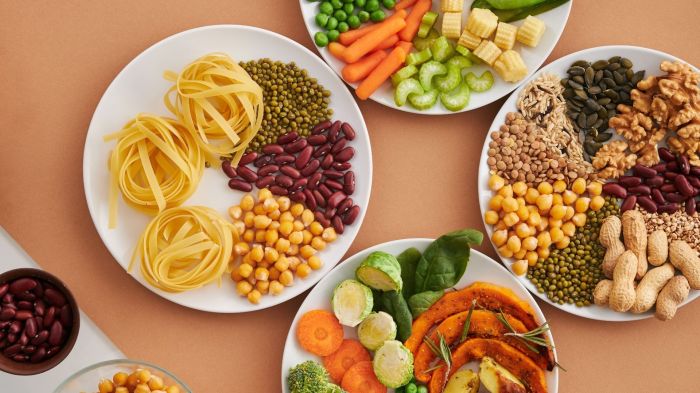
Following a vegetarian diet can play a significant role in promoting emotional balance and stability. The foods consumed on a vegetarian diet are often rich in nutrients that support brain health and mood regulation. Additionally, the emphasis on whole, plant-based foods can contribute to overall well-being and emotional resilience.
Nutrient-Rich Foods for Emotional Well-Being
- Include Omega-3 fatty acids: Foods like chia seeds, flaxseeds, walnuts, and algae are excellent sources of Omega-3 fatty acids, which are known to support brain function and reduce symptoms of depression.
- Load up on fruits and vegetables: Colorful fruits and vegetables are packed with antioxidants and vitamins that can help combat oxidative stress in the body, reducing inflammation and supporting mental health.
- Opt for complex carbohydrates: Whole grains like quinoa, brown rice, and oats can help stabilize blood sugar levels and serotonin production, promoting a stable mood throughout the day.
Lifestyle Habits for Emotional Well-Being
- Practice mindful eating: Take the time to savor and appreciate your meals, focusing on the flavors and textures of your food. This can help reduce stress and improve digestion.
- Stay hydrated: Dehydration can negatively impact mood and cognitive function. Be sure to drink plenty of water throughout the day to support optimal brain health.
- Engage in regular physical activity: Exercise releases endorphins, the body’s natural mood-boosting chemicals, which can help alleviate symptoms of anxiety and depression.
Health Education
Health education plays a crucial role in maintaining a vegetarian lifestyle by providing individuals with the knowledge and information they need to make informed decisions about their nutritional needs and dietary choices.
Importance of Staying Informed
It is essential for individuals following a vegetarian diet to stay informed about their specific nutritional needs to ensure they are getting all the essential vitamins, minerals, and nutrients necessary for optimal health. Health education helps individuals understand the importance of incorporating a variety of plant-based foods to meet their dietary requirements.
Resources for Learning
- Utilize reputable websites, books, and scientific journals that focus on vegetarian nutrition to stay updated on the latest research and recommendations.
- Attend seminars, workshops, or conferences related to plant-based nutrition to expand knowledge and connect with experts in the field.
- Consider consulting with a registered dietitian specializing in vegetarian diets for personalized guidance and advice.
Self-Care
Self-care is a crucial aspect of maintaining overall well-being, especially for individuals following a vegetarian diet. By prioritizing self-care practices, vegetarians can enhance their physical, mental, and emotional health, leading to a more balanced and fulfilling lifestyle.
Physical Self-Care, How to achieve proper nutrition with a vegetarian diet
- Engage in regular physical activity such as yoga, Pilates, or cardio exercises to support overall fitness and strength.
- Ensure proper hydration by drinking an adequate amount of water throughout the day to promote optimal bodily functions.
- Get sufficient rest and sleep to allow the body to rejuvenate and repair itself, contributing to better energy levels and mood.
Mental and Emotional Self-Care
- Practice mindfulness and meditation to reduce stress, increase self-awareness, and cultivate a sense of calm and clarity.
- Engage in activities that bring joy and relaxation, such as reading, painting, or spending time in nature, to recharge and uplift the spirit.
- Seek support from loved ones or a professional counselor if needed, to address any mental health concerns and maintain emotional balance.
Nutritional Self-Care
- Eat a well-balanced vegetarian diet rich in nutrient-dense foods like fruits, vegetables, whole grains, and plant-based proteins to support overall health and vitality.
- Include superfoods like chia seeds, quinoa, and kale in your meals to boost your nutrient intake and enhance your body’s functioning.
- Listento your body’s hunger and fullness cues, and practice mindful eating to foster a healthy relationship with food and promote digestive wellness.
Chronic Disease
Vegetarian diets have been shown to play a crucial role in preventing and managing chronic diseases due to their focus on nutrient-rich plant-based foods. By incorporating a variety of fruits, vegetables, whole grains, nuts, and legumes, individuals following a vegetarian lifestyle can significantly reduce their risk of developing various chronic conditions.
Impact of Vegetarian Diet on Specific Diseases
- Heart Disease: A plant-based diet low in saturated fats and cholesterol can help lower blood pressure and reduce the risk of heart disease.
- Diabetes: Vegetarian diets rich in fiber and complex carbohydrates can improve blood sugar control and insulin sensitivity, reducing the risk of type 2 diabetes.
- Cancer: Consuming a variety of plant-based foods high in antioxidants and phytochemicals can help lower the risk of certain types of cancer.
- Obesity: Plant-based diets are often lower in calories and saturated fats, making them effective for weight management and reducing the risk of obesity-related diseases.
Strategies for Reducing Chronic Disease Risk
- Focus on whole, unprocessed foods: Incorporate plenty of fruits, vegetables, whole grains, nuts, seeds, and legumes into your meals.
- Limit processed and refined foods: Reduce intake of sugary drinks, refined grains, and processed foods high in added sugars and unhealthy fats.
- Stay hydrated: Drink an adequate amount of water throughout the day to support overall health and prevent chronic conditions.
- Exercise regularly: Engage in physical activity to maintain a healthy weight, improve cardiovascular health, and reduce the risk of chronic diseases.
- Manage stress: Practice stress-reducing techniques such as mindfulness, yoga, or meditation to lower stress levels and promote overall well-being.
Wrap-Up: How To Achieve Proper Nutrition With A Vegetarian Diet
In conclusion, the path to optimal nutrition through a vegetarian diet is paved with mindful choices, balanced meals, and a wealth of health benefits waiting to be embraced. Dive into this lifestyle with confidence and discover the transformative power of plant-based eating.
Helpful Answers
How can I ensure I get enough protein on a vegetarian diet?
To meet your protein needs, include a variety of plant-based sources such as legumes, tofu, tempeh, nuts, seeds, and whole grains in your meals.
Is it necessary to take supplements on a vegetarian diet?
While it’s possible to get all nutrients from a well-planned vegetarian diet, some individuals may need to supplement with vitamin B12, vitamin D, or omega-3 fatty acids.
Can children follow a vegetarian diet and still meet their nutritional needs?
Yes, children can thrive on a well-balanced vegetarian diet that includes a variety of nutrient-dense foods to support their growth and development.


