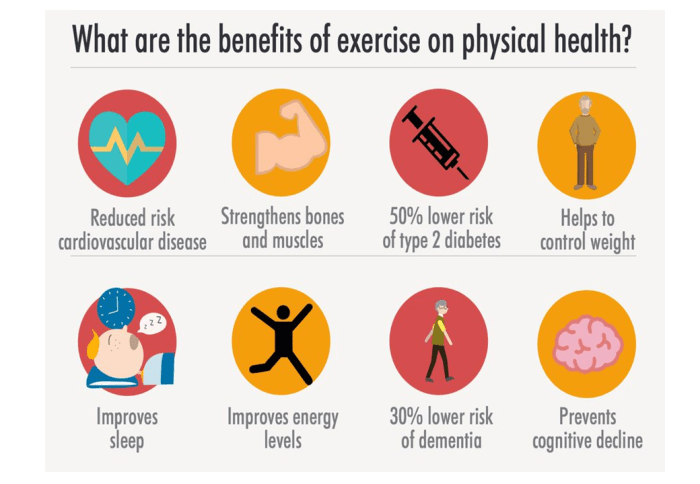
Importance of regular exercise for mental well-being is crucial in maintaining a healthy lifestyle. Physical activity not only benefits our bodies but also plays a significant role in improving our mental health. Let’s delve deeper into the positive impact of exercise on our minds and overall well-being.
Balanced Diet
Maintaining a balanced diet is crucial for not only physical health but also mental well-being. The foods we consume play a significant role in supporting our brain function and overall mental health.
Nutrients Impacting Mental Health
Different nutrients have varying effects on mental health. For example:
- Omega-3 fatty acids: Found in fatty fish like salmon and nuts, omega-3 fatty acids are essential for brain health and can help reduce symptoms of depression and anxiety.
- Vitamin D: Sunlight is a natural source of Vitamin D, but it can also be found in fortified foods. Low levels of Vitamin D have been linked to mood disorders.
- B vitamins: Foods like whole grains, leafy greens, and legumes contain B vitamins that are crucial for energy production in the brain and can help reduce symptoms of depression.
- Antioxidants: Berries, leafy greens, and nuts are rich in antioxidants that protect brain cells from oxidative stress and inflammation, improving overall mental health.
Foods Supporting Mental Well-being
- Fatty fish: Salmon, mackerel, and sardines are excellent sources of omega-3 fatty acids.
- Nuts and seeds: Almonds, walnuts, chia seeds, and flaxseeds provide healthy fats and essential nutrients for brain health.
- Leafy greens: Spinach, kale, and broccoli are packed with vitamins, minerals, and antioxidants that support cognitive function.
- Whole grains: Brown rice, quinoa, and oats are rich in B vitamins and fiber, promoting stable mood and energy levels.
Mental Wellness
Regular exercise is not only beneficial for physical health but also plays a crucial role in maintaining mental wellness. A healthy mind is essential for overall well-being and can significantly impact daily life in various ways.Exercise has been shown to have numerous benefits for mental wellness.
Physical activity helps in reducing stress, anxiety, and depression by releasing endorphins, also known as “feel-good” hormones. These hormones help in improving mood and promoting a sense of well-being. Additionally, exercise can enhance cognitive function, memory, and focus, leading to better productivity and performance in daily activities.
Improving Sleep Quality
Regular exercise can also contribute to better sleep quality. Physical activity helps regulate sleep patterns and improves the overall quality of sleep. Adequate rest and sleep are essential for mental health and can help in reducing symptoms of anxiety and depression.
Boosting Self-esteem
Engaging in regular exercise can boost self-esteem and confidence. Achieving fitness goals and maintaining a healthy lifestyle can lead to a sense of accomplishment and pride, improving overall self-image and mental well-being.
Enhancing Social Connections
Exercise can also provide opportunities for social interactions and connections. Joining group fitness classes or sports teams can help in building relationships and a sense of community, which are essential for mental wellness.
Stress Management
Physical activity serves as a healthy outlet for stress management. Exercise can help in reducing the levels of stress hormones in the body and providing a sense of relaxation and calmness, leading to improved mental health.Overall, incorporating regular exercise into your routine is vital for maintaining mental wellness and promoting a healthy mind.
It is essential to prioritize physical activity for overall well-being and a better quality of life.
Physical Fitness
Regular physical exercise plays a crucial role in maintaining our overall well-being, including our mental health. Engaging in physical activities not only improves our physical fitness but also has a positive impact on our mental well-being.
Connection between Physical Fitness and Mental Well-being
Physical fitness is closely linked to mental well-being. When we exercise, our body releases endorphins, also known as ‘feel-good’ hormones, which help in reducing feelings of stress, anxiety, and depression. Regular physical activity helps in improving our mood, boosting self-esteem, and enhancing cognitive function.
Benefits of Regular Exercise on Mood and Cognitive Function
Regular exercise has been shown to have a significant impact on improving mood and cognitive function. It helps in reducing symptoms of depression and anxiety, promoting better sleep, and increasing overall feelings of well-being. Additionally, physical activity stimulates the brain, leading to improved memory, focus, and mental clarity.
Examples of Physical Activities for Promoting Mental Health
- Aerobic exercises such as running, swimming, or cycling help in increasing the production of endorphins and reducing stress levels.
- Yoga and Pilates not only improve physical strength and flexibility but also promote relaxation and mindfulness, reducing symptoms of anxiety and depression.
- Strength training exercises like weightlifting or bodyweight exercises can boost self-esteem and confidence, leading to a positive outlook on life.
Adequate Hydration
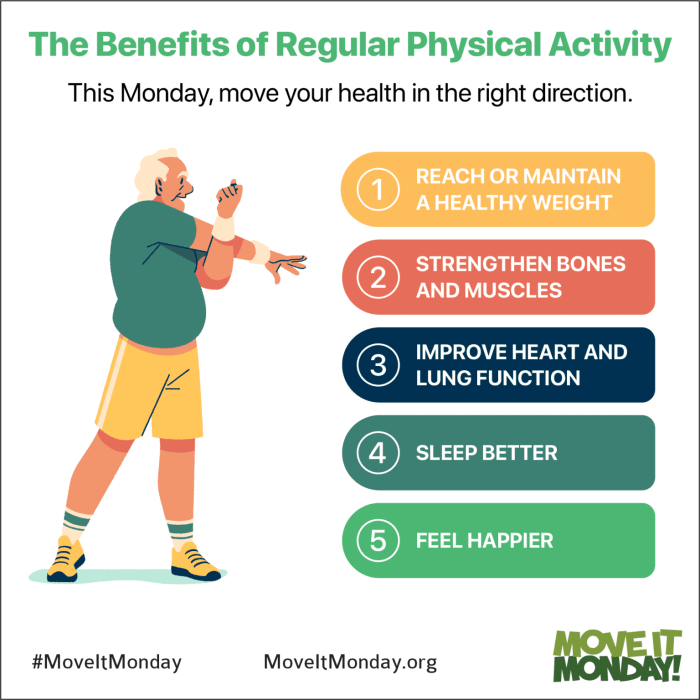
Proper hydration plays a crucial role in maintaining mental well-being. Our brains are made up of about 73% water, and staying hydrated is essential for optimal cognitive function and overall mental health.
Effects of Dehydration on Cognitive Function
Dehydration can have a significant impact on cognitive function. When the body lacks adequate water, it can lead to poor concentration, fatigue, mood swings, and even memory problems. Studies have shown that even mild dehydration can impair cognitive performance, making it difficult to focus and think clearly.
- Dehydration affects short-term memory and long-term memory recall.
- Brain fog and difficulty in problem-solving are common symptoms of dehydration.
- Dehydration can also increase feelings of anxiety and stress.
Tips for Staying Hydrated Throughout the Day
It’s important to ensure you’re getting enough fluids to support your mental well-being. Here are some tips to help you stay hydrated:
- Carry a reusable water bottle with you and sip on water throughout the day.
- Set reminders on your phone or computer to drink water at regular intervals.
- Incorporate hydrating foods like fruits and vegetables into your diet.
- Avoid excessive consumption of caffeinated or sugary beverages, as they can contribute to dehydration.
- Monitor your urine color
clear or light yellow urine is a good indication of proper hydration.
Regular Exercise
Regular exercise plays a crucial role in maintaining good mental health. Not only does it benefit physical fitness, but it also has a significant impact on our mental well-being.
Benefits of Regular Exercise for Mental Health
Regular exercise has been shown to improve mood and reduce symptoms of anxiety and depression. Physical activity releases endorphins, also known as “feel-good” hormones, which can help alleviate stress and boost overall mental health.
- Improved mood and reduced symptoms of anxiety and depression
- Release of endorphins, which act as natural mood lifters
- Enhanced self-esteem and confidence
- Improved sleep quality, leading to better mental clarity and focus
Impact of Exercise on Stress Levels and Anxiety
Exercise has a direct impact on reducing stress levels and managing anxiety. Engaging in physical activity can help lower cortisol levels, which is the primary stress hormone, and promote relaxation.
- Reduction in cortisol levels, leading to lower stress levels
- Increased production of neurotransmitters like dopamine and serotonin, which regulate mood
- Improved ability to cope with daily stressors
Types of Exercises Beneficial for Mental Well-being
There are various types of exercises that can benefit mental health, including aerobic exercises, strength training, yoga, and meditation.
- Aerobic exercises like running, swimming, or cycling can help improve mood and reduce anxiety
- Strength training can boost self-esteem and confidence by enhancing physical strength
- Yoga and meditation promote relaxation, reduce stress, and improve mental clarity
Healthy Lifestyle
Maintaining a healthy lifestyle is crucial for supporting mental wellness. When we adopt healthy habits, such as eating a balanced diet, staying physically active, and prioritizing self-care, we are better equipped to manage stress and maintain a positive mindset.
Importance of Sustainable Habits
Creating sustainable habits is essential for overall health because consistency is key when it comes to reaping the benefits of a healthy lifestyle. By making small, manageable changes to our daily routine, we can gradually build healthier habits that contribute to our physical and mental well-being in the long run.
- Start by setting realistic goals: Establish achievable objectives that align with your lifestyle and schedule.
- Find activities you enjoy: Choose exercises that you genuinely like to increase the likelihood of sticking to a regular routine.
- Make time for self-care: Prioritize relaxation, mindfulness, and activities that promote mental wellness alongside physical fitness.
- Stay accountable: Consider joining a fitness group or seeking support from friends and family to help you stay motivated and on track.
Tips for Incorporating Exercise into Daily Routine
Regular exercise is a cornerstone of a healthy lifestyle, and finding ways to incorporate physical activity into your daily routine can have numerous benefits for your overall well-being.
- Make it a priority: Schedule exercise sessions just like any other important appointment to ensure you make time for physical activity.
- Choose activities you enjoy: Whether it’s dancing, cycling, or yoga, select exercises that bring you joy to make working out a more enjoyable experience.
- Start small and gradually increase intensity: Begin with manageable workouts and progress at your own pace to avoid burnout and injuries.
- Stay consistent: Aim for regular exercise sessions throughout the week to build endurance, strength, and improve your mental clarity.
Nutrient-Rich
Consuming a diet rich in nutrients is vital for maintaining optimal mental well-being. Nutrient-rich foods provide the essential vitamins and minerals necessary for supporting brain function and cognitive health.
Significance of Nutrient-Rich Foods
Nutrient-rich foods play a crucial role in providing the brain with the necessary fuel to function optimally. Vitamins and minerals found in these foods are essential for neurotransmitter synthesis, nerve function, and overall cognitive performance.
- Leafy greens such as spinach, kale, and broccoli are rich in folate, a B-vitamin that helps regulate mood and cognitive function.
- Fatty fish like salmon and sardines are excellent sources of omega-3 fatty acids, which support brain health and can help reduce symptoms of depression and anxiety.
- Berries, particularly blueberries, are packed with antioxidants that protect brain cells from oxidative stress and improve communication between brain cells.
- Nuts and seeds contain healthy fats, vitamins, and minerals that support brain function and help reduce inflammation in the brain.
- Whole grains like oats, quinoa, and brown rice provide a steady source of energy for the brain and help maintain stable blood sugar levels.
Stress Management: Importance Of Regular Exercise For Mental Well-being
Stress management is crucial for maintaining good mental well-being as excessive stress can lead to various mental health issues.
Relationship between Stress Management and Mental Well-being
Effective stress management techniques can significantly improve mental well-being by reducing anxiety, depression, and other negative emotions that can impact overall health.
Techniques for Managing Stress Effectively
- Practice mindfulness and meditation to calm the mind and reduce stress levels.
- Engage in regular physical exercise to release endorphins, the body’s natural stress relievers.
- Establish healthy boundaries and learn to say no to avoid overwhelming yourself with tasks.
- Get enough quality sleep to rejuvenate the body and mind, reducing stress levels.
- Connect with others and seek support from friends, family, or a therapist to share your feelings and concerns.
Regular Exercise for Reducing Stress Levels
Physical activity is known to be a powerful stress reliever as it helps to reduce levels of the body’s stress hormones, such as adrenaline and cortisol. Regular exercise also promotes the release of endorphins, which are chemicals in the brain that act as natural painkillers and mood elevators.
By incorporating regular exercise into your routine, you can effectively manage and reduce stress levels, leading to improved mental well-being.
Preventive Care
Regular exercise and a balanced diet are essential components of maintaining mental well-being. However, preventive care also plays a crucial role in safeguarding our mental health. By taking proactive measures to prevent mental health issues, we can promote overall well-being and reduce the risk of developing more serious conditions.
Importance of Early Intervention
Regular check-ups and early intervention are key aspects of preventive care when it comes to mental health. By identifying any potential issues early on, individuals can receive the necessary support and treatment to prevent the escalation of mental health problems.
This can lead to better outcomes and a higher quality of life.
Tips for Proactive Measures
- Stay connected with friends and family: Maintaining strong social connections can help reduce feelings of loneliness and isolation, which are risk factors for mental health issues.
- Practice mindfulness and relaxation techniques: Incorporating mindfulness practices such as meditation or deep breathing exercises can help manage stress and improve mental well-being.
- Engage in regular physical activity: Exercise not only benefits physical health but also has positive effects on mental health by releasing endorphins and reducing symptoms of anxiety and depression.
- Eat a nutrient-rich diet: Consuming a balanced diet rich in vitamins, minerals, and antioxidants can support brain function and overall mental well-being.
- Seek professional help when needed: If you notice any concerning changes in your mental health, don’t hesitate to reach out to a mental health professional for guidance and support.
Proper Nutrition
Proper nutrition plays a crucial role in maintaining good mental well-being. The food we consume directly impacts our brain function, mood, and overall mental health. A well-balanced diet ensures that our brain receives the essential nutrients it needs to function optimally.
Impact of Proper Nutrition on Mental Well-being
Eating a diet rich in nutrients such as omega-3 fatty acids, vitamins, minerals, and antioxidants can help improve cognitive function, reduce the risk of mental health disorders, and enhance overall mood and well-being. Nutrient deficiencies have been linked to conditions like depression, anxiety, and even cognitive decline.
- Include foods rich in omega-3 fatty acids, such as fatty fish, flaxseeds, and walnuts, to support brain health and improve mood.
- Ensure adequate intake of vitamins and minerals like vitamin B12, folate, iron, and magnesium, which play a crucial role in neurotransmitter function and mood regulation.
- Eat a variety of colorful fruits and vegetables to benefit from a wide range of antioxidants that protect brain cells from oxidative stress.
Connection Between Diet Quality and Mental Health Outcomes
Research has shown that a diet high in processed foods, sugars, and unhealthy fats can increase inflammation in the body and negatively impact mental health. On the other hand, a diet focused on whole, nutrient-rich foods can have a protective effect on mental well-being and reduce the risk of mood disorders.
- Avoiding excessive consumption of sugary beverages, refined grains, and trans fats can help prevent mood swings, energy crashes, and cognitive impairment.
- Opt for whole grains, lean proteins, healthy fats, and plenty of fruits and vegetables to provide your brain with the nutrients it needs to function optimally.
- Limiting alcohol intake and staying hydrated with water can also support mental clarity and overall well-being.
Examples of a Well-balanced Diet for Optimal Mental Wellness
A well-balanced diet for optimal mental wellness should include a variety of nutrient-dense foods from all food groups. Here are some examples of foods to incorporate into your daily meals:
| Food Group | Examples |
|---|---|
| Proteins | Salmon, tofu, chicken, beans |
| Whole Grains | Quinoa, brown rice, oats |
| Fruits | Berries, oranges, bananas |
| Vegetables | Spinach, broccoli, bell peppers |
| Dairy or Dairy Alternatives | Greek yogurt, almond milk, cheese |
| Healthy Fats | Avocado, nuts, olive oil |
| Hydration | Water, herbal teas |
Quality Sleep
Quality sleep plays a crucial role in maintaining good mental well-being. It is during sleep that our bodies and minds recharge, repair, and consolidate memories. Lack of adequate sleep can lead to cognitive impairment, mood disturbances, and decreased overall mental health.
The Link between Sleep Patterns and Cognitive Function
Our sleep patterns directly impact our cognitive function. Consistent, restful sleep is essential for optimal brain performance, including memory retention, problem-solving abilities, and emotional regulation. Disrupted sleep patterns, such as insomnia or sleep apnea, can negatively affect cognitive function and mental clarity.
Tips for Improving Sleep Hygiene, Importance of regular exercise for mental well-being
- Avoid caffeine, nicotine, and heavy meals close to bedtime.
- Establish a regular sleep schedule and create a calming bedtime routine.
- Ensure your sleep environment is comfortable, quiet, and dark.
- Avoid screens (phones, tablets, computers) before bed, as they can disrupt melatonin production.
- Engage in relaxation techniques such as deep breathing or meditation to prepare your mind for sleep.
Cardio Health
Regular cardio exercise plays a crucial role in maintaining not only physical health but also mental well-being. The impact of cardiovascular health on the brain is significant, and engaging in cardio workouts can bring about numerous benefits for mental wellness.
Influence of Cardiovascular Health on Mental Well-being
Cardiovascular health directly affects the brain by improving blood flow and circulation, which in turn enhances cognitive function and reduces the risk of mental health issues such as depression and anxiety. Adequate oxygen supply to the brain through cardio exercise contributes to better focus, memory, and overall mental clarity.
Benefits of Cardio Exercises for the Brain
- Stimulates the release of endorphins, also known as “feel-good” hormones, which can elevate mood and reduce stress levels.
- Promotes the growth of new brain cells, particularly in the hippocampus, a region associated with memory and learning.
- Reduces inflammation in the brain, which is linked to neurodegenerative diseases and cognitive decline.
Examples of Cardio Workouts for Mental Wellness
Running: A high-impact exercise that boosts cardiovascular fitness and releases endorphins, promoting a sense of well-being.
Cycling: Improves blood flow to the brain, enhances cognitive function, and reduces the risk of mental health issues.
Dancing: Combines cardiovascular benefits with social interaction and music, which can uplift mood and reduce stress.
Immune Boost
Regular exercise plays a crucial role in boosting the immune system and improving mental health. When we engage in physical activity, our body releases endorphins, which are known to reduce stress and anxiety, thus contributing to overall well-being.
Impact of a Strong Immune System
A strong immune system is essential for protecting the body against harmful pathogens, viruses, and infections. By incorporating regular exercise into your routine, you can enhance the immune response of your body, making it more efficient in fighting off illnesses.
This, in turn, leads to fewer sick days and an overall improvement in health.
Tips for Incorporating Immune-Boosting Activities
- Engage in moderate-intensity exercises such as brisk walking, jogging, or cycling for at least 30 minutes a day.
- Include strength training exercises to build muscle and improve overall immunity.
- Practice yoga or meditation to reduce stress levels and promote relaxation, which can have a positive impact on the immune system.
- Ensure you are getting an adequate amount of sleep each night, as lack of sleep can weaken the immune system.
- Stay hydrated and maintain a balanced diet rich in vitamins and minerals to support immune function.
Positive Mindset
Maintaining a positive mindset is crucial for overall mental wellness. It involves cultivating an optimistic outlook on life, despite challenges and setbacks. A positive mindset can significantly impact one’s mental health and overall well-being.
Importance of Positive Thinking
- Positive thinking can reduce stress levels and increase resilience to cope with difficult situations.
- It promotes better mental clarity and decision-making abilities.
- Positive individuals tend to have stronger immune systems and lower risks of developing mental health disorders.
Strategies for Cultivating a Positive Outlook
- Practice gratitude daily by acknowledging the good things in life.
- Avoid negative self-talk and replace it with affirmations and positive affirmations.
- Engage in activities that bring joy and fulfillment, such as regular exercise, hobbies, or spending time with loved ones.
- Challenge negative thoughts and reframe them in a more positive light.
- Aim to surround yourself with positive and supportive individuals who uplift and inspire you.
Clean Eating
When it comes to mental well-being, clean eating plays a crucial role in maintaining a healthy mind and body. Clean eating involves consuming whole, unprocessed foods that are nutrient-rich and free from artificial additives or preservatives.
Impact on Mental Well-being
Clean eating can have a significant impact on mental well-being by providing essential nutrients that support brain function and overall cognitive health. By eliminating processed foods that are high in sugar, unhealthy fats, and artificial ingredients, clean eating helps stabilize mood, improve focus, and enhance mental clarity.
Benefits of Whole, Unprocessed Foods
- Whole, unprocessed foods are rich in vitamins, minerals, and antioxidants that support brain health and reduce inflammation, which is linked to mental health issues.
- These foods provide sustained energy levels, preventing energy crashes that can negatively impact mood and cognitive function.
- Whole foods are also high in fiber, promoting gut health, which is closely connected to mental well-being through the gut-brain axis.
Examples of Clean Eating Habits
- Include a variety of colorful fruits and vegetables in your diet to ensure a range of essential nutrients.
- Opt for whole grains like quinoa, brown rice, and oats instead of refined grains like white bread and pasta.
- Choose lean protein sources such as fish, poultry, tofu, and legumes to support muscle health and neurotransmitter function.
- Avoid sugary beverages and processed snacks, opting for water, herbal teas, nuts, seeds, and homemade snacks instead.
Daily Activity
Regular daily physical activity plays a crucial role in maintaining good mental wellness. Engaging in movement throughout the day can have numerous benefits for our mental health, contributing to improved mood, reduced stress levels, and enhanced cognitive function.
Significance of Daily Physical Activity
- Increases the release of endorphins, the “feel-good” hormones, which can help alleviate symptoms of anxiety and depression.
- Enhances blood flow to the brain, promoting better concentration, memory, and overall brain function.
- Reduces cortisol levels, the stress hormone, leading to a calmer and more relaxed state of mind.
Benefits of Incorporating Movement into Daily Routines
- Boosts overall energy levels and productivity throughout the day.
- Improves sleep quality, leading to better rest and rejuvenation for the mind.
- Helps in weight management and reduces the risk of developing chronic conditions, improving overall well-being.
Tips for Staying Active Throughout the Day
- Take short breaks to stretch and move around if you have a desk job.
- Incorporate physical activities you enjoy, such as dancing, walking, or gardening, into your daily schedule.
- Use stairs instead of elevators, walk or bike for short distances, and engage in household chores to keep moving.
Holistic Health
When it comes to mental well-being, taking a holistic approach means considering the interconnectedness of physical, mental, and emotional health. This approach focuses on treating the whole person rather than just individual symptoms or issues.
Interconnectedness of Physical, Mental, and Emotional Health
Physical, mental, and emotional health are all closely linked and can significantly impact one another. For example, regular exercise not only improves physical fitness but also releases endorphins that boost mood and reduce stress. Similarly, chronic stress or emotional distress can manifest in physical symptoms like headaches or digestive issues.
Embracing holistic practices that address all aspects of health can lead to a more balanced and fulfilling life.
Examples of Holistic Practices
- Yoga and meditation: These practices promote relaxation, reduce stress, and improve mental clarity.
- Healthy eating habits: Consuming a nutrient-rich diet supports both physical health and mental well-being.
- Mindfulness exercises: Practicing mindfulness can help individuals stay present and manage emotions effectively.
- Therapy and counseling: Addressing mental health concerns through therapy can positively impact emotional well-being and overall health.
- Nature walks and outdoor activities: Spending time in nature has been shown to reduce stress levels and improve mood.
Mindful Living
Mindful living involves being fully present and aware of your thoughts, feelings, and surroundings in the present moment without judgment. It focuses on cultivating a sense of inner peace, gratitude, and acceptance.
Practicing mindfulness has a profound impact on mental health by reducing stress, anxiety, and depression. It helps improve focus, attention, and emotional regulation, leading to overall well-being.
Benefits of Mindfulness Practices
- Reduces stress and anxiety levels
- Enhances emotional resilience
- Improves self-awareness and acceptance
- Promotes a positive outlook on life
- Boosts cognitive functions and memory
Tips for Incorporating Mindfulness
- Start your day with a mindful breathing exercise
- Practice gratitude by keeping a daily journal
- Engage in mindful eating by savoring each bite
- Incorporate mindfulness into your exercise routine by focusing on your body movements
- Take short mindfulness breaks throughout the day to recenter yourself
Emotional Balance
Emotional balance plays a crucial role in maintaining overall mental wellness. It involves managing and expressing emotions in a healthy way, which can have a significant impact on our well-being.
Importance of Emotional Balance
Emotional health influences various aspects of our lives, including our relationships, decision-making abilities, and stress levels. When we are emotionally balanced, we are better equipped to handle challenges and cope with daily stressors.
- Practicing mindfulness and meditation can help in acknowledging and processing emotions effectively.
- Engaging in regular physical exercise releases endorphins, which can improve mood and promote emotional balance.
- Seeking support from friends, family, or a therapist can provide outlets for expressing emotions and receiving guidance.
Health Education
Regular exercise plays a crucial role in promoting mental well-being, but without proper knowledge and awareness, individuals may not fully understand the benefits. This is where health education comes in, providing essential information to help people make informed decisions about their physical and mental health.
Role of Health Education in Promoting Mental Well-being
Health education serves as a tool to empower individuals to take charge of their mental well-being by providing them with the necessary knowledge and skills. It helps in raising awareness about the importance of regular exercise in managing stress, anxiety, and depression.
By educating people on the link between physical activity and mental health, health education encourages individuals to incorporate exercise into their daily routine for overall well-being.
- Health education offers insights into how exercise can improve mood, boost self-esteem, and enhance cognitive function.
- It equips individuals with strategies to overcome barriers to exercise and motivates them to stay physically active.
- By promoting a holistic approach to health, health education emphasizes the interconnectedness of physical and mental well-being.
Significance of Awareness and Knowledge in Maintaining Mental Health
Awareness and knowledge are key components in maintaining mental health as they enable individuals to make informed choices that support their overall well-being. Health education provides the necessary information on the benefits of regular exercise, helping individuals understand how physical activity positively impacts mental health.
- Increased awareness about the importance of exercise can lead to improved mental resilience and better stress management.
- Knowledge about the relationship between physical fitness and mental wellness can empower individuals to prioritize their health.
- Access to reliable health education resources ensures that individuals have accurate information to make informed decisions regarding their mental well-being.
Resources for Accessing Reliable Health Education
In today’s digital age, there are various resources available for accessing reliable health education related to exercise and mental wellness. From reputable websites to online courses, individuals can find valuable information to enhance their understanding of the benefits of regular exercise for mental health.
- Online platforms like health department websites and mental health organizations offer informative articles and resources on the importance of exercise for mental well-being.
- Health and fitness apps provide exercise routines, tips, and guidance to help individuals stay active and improve their mental health.
- Consulting healthcare professionals, such as doctors, therapists, or fitness trainers, can also offer personalized advice on incorporating exercise into a mental wellness routine.
Self-Care
Self-care practices are crucial for maintaining good mental well-being. Taking care of oneself not only benefits the mind but also has a positive impact on overall health. By incorporating self-care routines into daily life, individuals can better manage stress, improve emotional balance, and enhance their quality of life.
Importance of Self-Care for Mental Well-Being
Self-care plays a vital role in promoting mental well-being by allowing individuals to prioritize their needs and recharge both mentally and emotionally. It helps in reducing feelings of anxiety, depression, and burnout, leading to a more positive mindset and improved resilience in facing life’s challenges.
- Engaging in self-care activities can help individuals relax and unwind, promoting a sense of calm and inner peace.
- By taking time for oneself, individuals can improve self-esteem and self-confidence, fostering a more positive self-image.
- Self-care practices encourage mindfulness and self-awareness, allowing individuals to better understand their emotions and thought patterns.
Benefits of Self-Care Routines on Overall Health
Incorporating self-care routines into daily life not only benefits mental well-being but also contributes to overall health and wellness. By prioritizing self-care, individuals can improve their physical health, boost immunity, and enhance their quality of life.
- Regular self-care practices can reduce the risk of chronic illnesses and improve cardiovascular health.
- Self-care activities such as exercise, proper nutrition, and quality sleep can boost energy levels and enhance physical fitness.
- Taking time for oneself can improve relationships with others, leading to better social connections and support systems.
Examples of Self-Care Activities that Support Mental Wellness
There are various self-care activities that individuals can incorporate into their daily routines to support mental wellness and promote a healthy lifestyle. These activities can be tailored to personal preferences and interests, ensuring that individuals find joy and relaxation in self-care practices.
Some examples of self-care activities include meditation, yoga, journaling, spending time in nature, practicing gratitude, engaging in hobbies, and seeking support from loved ones or professionals.
Chronic Disease
Regular exercise plays a crucial role in preventing various chronic diseases and managing existing conditions, contributing to overall mental well-being. Physical activity has been linked to a reduced risk of developing chronic illnesses and can also help individuals better cope with these conditions for improved mental health.
Connection between Regular Exercise and Prevention of Chronic Diseases
Regular exercise is known to lower the risk of developing chronic diseases such as heart disease, type 2 diabetes, and certain types of cancer. Physical activity helps in maintaining a healthy weight, improving cardiovascular health, and boosting the immune system, all of which are essential in preventing chronic illnesses.
- Regular exercise can reduce the risk of heart disease by improving heart function, lowering blood pressure, and reducing cholesterol levels.
- Engaging in physical activity can help regulate blood sugar levels, making it beneficial in preventing type 2 diabetes.
- Exercise has been shown to reduce the risk of certain cancers, such as breast and colon cancer, by promoting healthy cell growth and reducing inflammation in the body.
Exercise in Managing Chronic Conditions for Better Mental Health
In addition to preventing chronic diseases, regular exercise is also beneficial in managing existing conditions for improved mental well-being. Physical activity can help alleviate symptoms of chronic illnesses, reduce stress, anxiety, and depression, and enhance overall quality of life.
- Individuals with conditions like arthritis or osteoporosis can benefit from exercise by strengthening muscles and improving joint flexibility, leading to reduced pain and better mental health.
- Regular physical activity can help individuals with chronic respiratory diseases, such as asthma or COPD, by improving lung function and overall respiratory health, thereby enhancing mental well-being.
- Exercise has been shown to be effective in managing chronic pain conditions like fibromyalgia, as it can help increase pain tolerance, reduce inflammation, and release endorphins that promote a positive mindset.
Last Recap
In conclusion, regular exercise is a powerful tool for enhancing mental well-being. By incorporating physical activity into our daily routines, we can boost our mood, reduce stress levels, and improve cognitive function. Prioritizing exercise is not just about physical fitness; it’s about caring for our mental health as well.
Clarifying Questions
How often should I exercise to improve my mental well-being?
Consistency is key. Aim for at least 150 minutes of moderate-intensity exercise per week to experience the mental health benefits.
Can any type of exercise help with mental well-being?
A variety of exercises can be beneficial, including cardio, strength training, yoga, and even walking. Choose activities that you enjoy to make it sustainable.
Is it necessary to combine exercise with other lifestyle changes for mental well-being?
While exercise is a crucial component, combining it with a balanced diet, quality sleep, and stress management can further enhance your mental well-being.