With How to calculate your daily water intake for adequate hydration at the forefront, this paragraph opens a window to an amazing start and intrigue, inviting readers to embark on a storytelling journey filled with unexpected twists and insights.
Exploring the importance of staying hydrated, understanding the factors influencing water intake, calculating your personal daily water needs, tips for meeting hydration goals, and the overall impact of hydration on health will be discussed in this informative guide.
Introduction to Daily Water Intake
Staying adequately hydrated is crucial for maintaining overall health and well-being. Water plays a vital role in the body, serving as a key component for various bodily functions. It is essential to understand the importance of staying hydrated to ensure optimal health.
The Role of Water in the Body
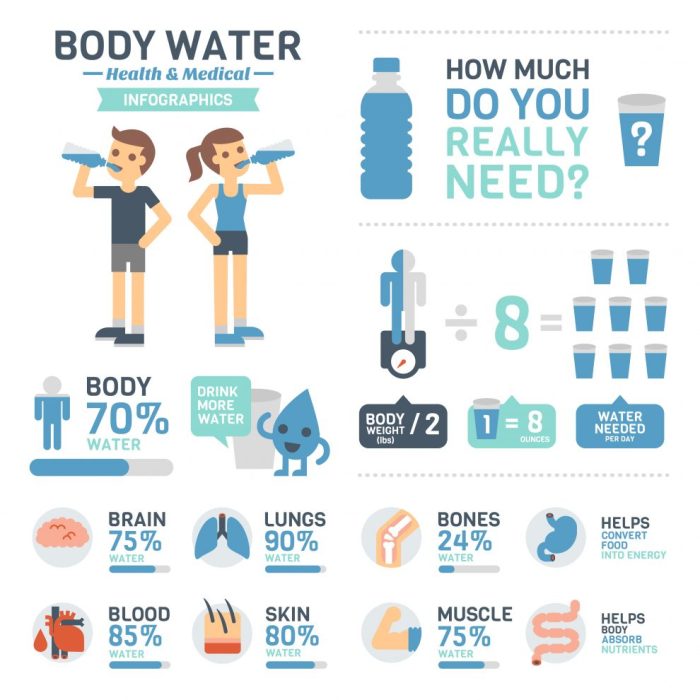
Water makes up a significant portion of our body composition, helping to regulate body temperature, transport nutrients, and eliminate waste. It is involved in almost every physiological process, highlighting its importance for overall health.
Impact of Daily Water Intake on Health
- Hydration is essential for proper digestion and nutrient absorption.
- Water helps maintain healthy skin by keeping it hydrated and promoting elasticity.
- Proper hydration is crucial for kidney function, aiding in the removal of waste and toxins from the body.
- Staying hydrated can improve cognitive function and concentration levels.
- Water plays a key role in joint lubrication and overall physical performance.
Factors Influencing Water Intake Calculation
When determining your daily water intake, there are several factors that come into play. These factors include age, weight, activity level, and climate, all of which can influence the amount of water your body needs to stay hydrated.
Age
As we age, our bodies undergo changes that can affect our hydration needs. Older adults may have a decreased sense of thirst, making it important to consciously monitor water intake to prevent dehydration.
Weight
Body weight plays a role in determining how much water a person should drink each day. Generally, the larger a person is, the more water they need to consume to maintain proper hydration levels.
Activity Level
Individuals who are more physically active or engage in strenuous exercise will have higher water requirements to compensate for fluid loss through sweat. It’s essential to drink enough water before, during, and after physical activity to prevent dehydration.
Climate
Hot and humid climates can increase the amount of water your body loses through sweating, thus requiring you to drink more water to stay hydrated. In contrast, cold and dry climates may also contribute to dehydration, as the body loses water through respiration.
Calculating Daily Water Intake
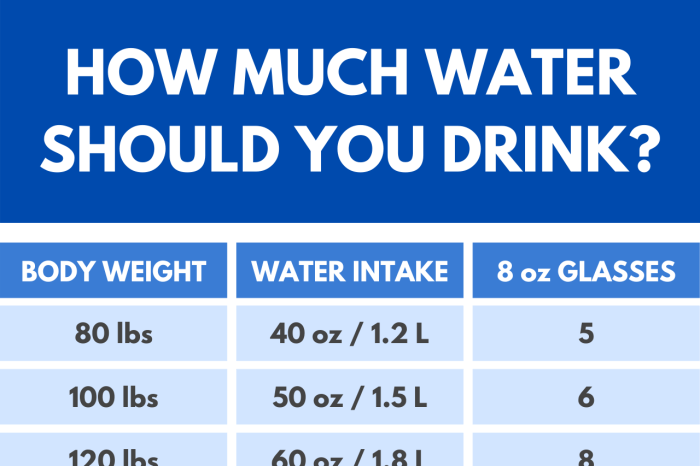
To determine your daily water intake needs, you can use a simple formula based on your body weight. By understanding the general guidelines for daily water intake and customizing them to your specific needs, you can ensure proper hydration levels and overall well-being.
Formula for Calculating Personal Daily Water Needs
Body Weight (in pounds) ÷ 2 = Daily Water Intake in ounces
This formula suggests that you should drink half of your body weight in ounces of water each day. For example, if you weigh 150 pounds, your daily water intake should be around 75 ounces.
Customizing Daily Water Intake Guidelines
While the general recommendation is to drink eight 8-ounce glasses of water a day (64 ounces), this can vary depending on your individual factors such as activity level, climate, and overall health. It’s essential to adjust your water intake based on these factors to meet your specific hydration needs.
Significance of Tracking Water Consumption
Tracking your water consumption is crucial in maintaining proper hydration levels. By keeping a record of how much water you drink each day, you can ensure that you are meeting your body’s needs and staying adequately hydrated. Dehydration can lead to various health issues, so monitoring your water intake is essential for overall well-being.
Tips for Meeting Daily Water Intake Goals
Staying hydrated throughout the day is crucial for overall health and well-being. Here are some practical tips to help you meet your daily water intake goals:
Spread Water Intake Evenly
It’s essential to spread out your water consumption throughout the day rather than drinking large amounts at once. This helps your body stay hydrated consistently and prevents dehydration.
Enhance Water Consumption
- Flavor your water with fruits like lemon, cucumber, or berries to make it more appealing and refreshing.
- Carry a reusable water bottle with you wherever you go to remind yourself to drink water regularly.
- Set reminders on your phone or use hydration tracking apps to monitor your water intake and stay on track.
Importance of Hydration for Overall Health
Adequate hydration is essential for maintaining a balanced diet and proper nutrition. Water is crucial for various bodily functions, including digestion, nutrient absorption, and the regulation of body temperature. Without enough water, our bodies cannot perform optimally, leading to potential health issues.
Link Between Hydration and Mental Wellness, Physical Fitness, and Immune Health
Hydration plays a vital role in mental wellness, as dehydration can impair cognitive function, mood, and concentration. Staying hydrated is also crucial for physical fitness, as water helps lubricate joints, regulate body temperature during exercise, and transport nutrients to muscles.
Additionally, proper hydration is essential for a robust immune system, as water aids in the elimination of toxins and supports the body’s defense mechanisms.
Impact of Hydration on Preventive Care, Chronic Disease Prevention, and Overall Well-being, How to calculate your daily water intake for adequate hydration
Maintaining adequate hydration levels can help prevent various health conditions, such as kidney stones, urinary tract infections, and constipation. Hydration is also linked to the prevention of chronic diseases like heart disease and diabetes. By staying hydrated, individuals can support their overall well-being, including improved skin health, enhanced energy levels, and better digestion.
Concluding Remarks
In conclusion, maintaining proper hydration levels by calculating and meeting your daily water intake is crucial for overall well-being. By following the guidelines provided in this article, you can ensure you stay adequately hydrated and promote good health.
FAQ Explained: How To Calculate Your Daily Water Intake For Adequate Hydration
How much water should I drink in a day?
It is recommended to drink about 8-10 cups of water per day, but individual needs may vary based on factors like age, weight, and activity level.
Can I meet my daily water intake through other beverages besides water?
While water is the best choice for hydration, other beverages like herbal teas, infused water, and low-sugar juices can contribute to your daily fluid intake.
Is it possible to drink too much water in a day?
Yes, excessive water intake can lead to a condition called water intoxication, which can be dangerous. It’s important to balance your water consumption.