
How to develop a positive mindset in challenging times sets the stage for exploring key strategies to enhance mental wellness and resilience during difficult periods. From balanced diet to stress management, this comprehensive guide offers practical tips to help you navigate tough times with a positive outlook.
The following paragraphs delve into specific aspects of maintaining a positive mindset, offering insights and guidance on fostering emotional balance and overall well-being.
Balanced Diet
Maintaining a balanced diet is crucial for nurturing a positive mindset, especially during challenging times. The food we consume directly impacts our mood, energy levels, and overall mental well-being.
Nutrient-Rich Foods for Mental Wellness
Eating nutrient-rich foods can significantly support mental wellness by providing the necessary vitamins and minerals for brain function. Some examples of foods that can help boost your mood and cognitive function include:
- Fatty fish like salmon, rich in omega-3 fatty acids that are essential for brain health.
- Leafy greens such as spinach and kale, packed with antioxidants that protect the brain from oxidative stress.
- Whole grains like quinoa and brown rice, which provide a steady source of energy for the brain.
- Berries like blueberries and strawberries, high in antioxidants and vitamins that promote brain health.
- Nuts and seeds, such as almonds and chia seeds, that are rich in healthy fats and nutrients beneficial for cognitive function.
Link Between Healthy Diet and Emotional Balance
There is a strong correlation between a healthy diet and emotional balance. Consuming a variety of nutrient-dense foods not only supports brain function but also helps regulate neurotransmitters responsible for mood and stress management. By fueling your body with the right nutrients, you can enhance your emotional resilience and better cope with challenging situations.
Mental Wellness
In challenging times, maintaining mental wellness is crucial for overall well-being. It involves strategies that help individuals cope with stress, anxiety, and uncertainty, fostering a positive mindset even in difficult situations.
Self-Care Practices and Positive Mindset
Self-care practices play a significant role in developing a positive mindset. By prioritizing self-care, individuals can nurture their mental health and resilience, enabling them to navigate challenges more effectively. Here are some strategies to incorporate into your routine:
- Practice mindfulness: Engage in activities that promote present-moment awareness, such as meditation or deep breathing exercises. This can help reduce stress and enhance mental clarity.
- Establish boundaries: Set boundaries to protect your time and energy, saying no to commitments that may overwhelm you. Prioritize activities that bring you joy and relaxation.
- Engage in hobbies: Dedicate time to activities you enjoy, whether it’s painting, gardening, or reading. Hobbies can serve as outlets for creativity and stress relief.
- Prioritize sleep: Ensure you get an adequate amount of quality sleep each night, as lack of sleep can impact mood and cognitive function. Create a bedtime routine that promotes restful sleep.
Stress Management Techniques and Mental Health
Effective stress management techniques can significantly impact mental health by reducing anxiety levels and promoting emotional well-being. Here are some techniques to help manage stress:
- Exercise regularly: Physical activity releases endorphins, the body’s natural stress relievers, and improves mood. Aim for at least 30 minutes of exercise most days of the week.
- Practice relaxation techniques: Incorporate relaxation techniques such as progressive muscle relaxation, guided imagery, or yoga into your daily routine to calm the mind and body.
- Seek social support: Connect with friends, family, or a counselor for emotional support and guidance. Talking about your feelings can help alleviate stress and provide perspective.
- Maintain a healthy diet: A nutritious diet can impact mood and energy levels. Consume a balanced diet rich in fruits, vegetables, whole grains, and lean proteins to support overall well-being.
Physical Fitness
Regular exercise plays a crucial role in maintaining both physical and mental well-being. The benefits of staying active go beyond just physical health, as it can also have a positive impact on our mindset and emotional balance.
Benefits of Regular Exercise
- Improves mood and reduces symptoms of anxiety and depression.
- Enhances cognitive function and boosts self-esteem.
- Increases energy levels and promotes better sleep quality.
- Helps in managing stress and building resilience.
Daily Activities for Physical Fitness and Positive Mindset
- 30 minutes of brisk walking or jogging in the morning.
- Yoga or stretching exercises to improve flexibility and relax the mind.
- Strength training with bodyweight exercises or light weights to build muscle and endurance.
- Dancing or aerobics for a fun and energetic workout session.
Emotional Balance through Physical Fitness
Regular physical activity can aid in emotional balance by releasing endorphins, also known as “feel-good” neurotransmitters, which can help alleviate feelings of stress and anxiety. Exercise provides a healthy outlet for pent-up emotions and can improve overall emotional well-being.
Adequate Hydration
Maintaining adequate hydration is crucial for overall well-being, especially in challenging times. Dehydration can lead to a decline in cognitive function and emotional well-being, impacting our ability to cope with stress and challenges effectively.
Importance of Hydration
- Water is essential for proper brain function, as even mild dehydration can impair cognitive performance, memory, and focus.
- Hydration plays a key role in regulating mood and emotions, as dehydration can contribute to feelings of irritability and anxiety.
- Proper hydration supports the body’s ability to manage stress and adapt to difficult situations, enhancing resilience.
Tips for Staying Hydrated
- Carry a reusable water bottle with you throughout the day to remind yourself to drink water regularly.
- Set reminders on your phone or use hydration tracking apps to monitor your water intake and ensure you are meeting your daily hydration needs.
- Incorporate hydrating foods such as fruits, vegetables, and soups into your diet to supplement your water intake.
Hydration and Mental Clarity
Proper hydration is directly linked to mental clarity and cognitive function. When you are well-hydrated, your brain cells function more efficiently, allowing you to think clearly, concentrate better, and make sound decisions. Dehydration, on the other hand, can lead to brain fog, poor concentration, and decreased alertness, hindering your ability to navigate through challenging times effectively.
Quality Sleep
Quality sleep plays a crucial role in fostering a positive mindset, as it directly impacts our mental health, emotional balance, and stress levels. By ensuring we get enough restful sleep, we can better cope with challenges and maintain a more optimistic outlook on life.
Effective Sleep Hygiene Practices
- Avoid stimulants like caffeine and electronics before bedtime to promote relaxation.
- Establish a consistent sleep schedule to regulate your body’s internal clock.
- Create a comfortable sleep environment with a supportive mattress and pillows.
- Engage in relaxing activities like reading or meditation before bed to unwind.
- Avoid heavy meals and excessive liquids close to bedtime to prevent disruptions during the night.
Impact on Emotional Balance and Stress Levels
Quality sleep is essential for regulating emotions and managing stress effectively. When we are well-rested, our brain functions optimally, allowing us to process emotions better and react more calmly to challenging situations. On the other hand, lack of sleep can lead to irritability, mood swings, and heightened stress levels, making it harder to maintain a positive mindset.
Healthy Lifestyle
Adopting a healthy lifestyle not only benefits physical health but also plays a significant role in fostering a positive mindset. When we take care of our bodies through proper nutrition, exercise, adequate rest, and hydration, we are better equipped to deal with challenges and maintain a resilient attitude.
Examples of Holistic Health Practices
- Regular Exercise: Engaging in physical activity releases endorphins, which are known as “feel-good” hormones that help reduce stress and anxiety.
- Mindfulness and Meditation: Practices that promote mindfulness can help individuals stay present, manage emotions, and cultivate a sense of inner calm.
- Healthy Eating Habits: Consuming a balanced diet rich in nutrients can positively impact mood and overall well-being.
- Social Connections: Building and maintaining relationships with others can provide emotional support and a sense of belonging, contributing to mental wellness.
Connection Between Healthy Lifestyle and Mental Resilience
By prioritizing a healthy lifestyle, individuals can build a strong foundation for mental resilience during tough times. When the body is properly nourished and cared for, it can better cope with stress, uncertainty, and adversity. Physical well-being is closely linked to emotional well-being, and maintaining a healthy lifestyle can help individuals navigate challenges with a positive outlook.
Stress Management
Managing stress effectively is crucial to maintaining a positive outlook, especially during challenging times. By implementing mindfulness and stress reduction techniques, individuals can better cope with stress and prevent it from overwhelming them.
Importance of Mindfulness and Stress Reduction Techniques
Mindfulness involves being fully present in the moment and accepting things as they are without judgment. This practice can help individuals manage stress by allowing them to focus on the present rather than worrying about the future or dwelling on the past.
Stress reduction techniques such as deep breathing, meditation, and yoga can also help calm the mind and body, reducing feelings of anxiety and tension.
Tips for Incorporating Stress-Relief Activities into Daily Routines
- Start your day with a few minutes of meditation or deep breathing exercises to set a positive tone for the day.
- Take short breaks throughout the day to practice mindfulness and reset your mind. This can be as simple as taking a few deep breaths or going for a short walk.
- Engage in physical activity regularly, as exercise is a great way to relieve stress and boost mood. Whether it’s a workout, a walk, or a yoga session, find activities that you enjoy and make them a priority.
- Practice gratitude by keeping a journal and writing down things you are thankful for each day. This can help shift your focus from stressors to positive aspects of your life.
- Set boundaries and learn to say no when you feel overwhelmed. Prioritize self-care and make time for activities that bring you joy and relaxation.
Preventive Care
During challenging times, preventive care plays a crucial role in safeguarding mental health and emotional well-being. By taking proactive measures, individuals can better manage stress, anxiety, and other mental health issues before they escalate.
Professional Help or Counseling
Seeking professional help or counseling can be a valuable preventive measure for maintaining mental health. Therapists, psychologists, or counselors can provide guidance, support, and coping strategies to navigate difficult emotions and situations effectively.
Regular Check-ups for Well-being
Regular check-ups are essential for overall well-being and emotional balance. Routine visits to healthcare providers can help identify any underlying physical or mental health concerns early on, allowing for timely intervention and treatment.
Cardio Health
Regular cardiovascular exercise plays a crucial role in maintaining both physical and mental well-being. It has been shown to have a positive impact on emotional resilience and mood regulation, leading to an overall more positive mindset. By improving blood flow and oxygen delivery to the brain, cardio exercises can help reduce stress, anxiety, and symptoms of depression.
Benefits of Cardio Exercises for Mental Wellness
- Running, brisk walking, cycling, or swimming are excellent cardio exercises that can help boost mood by releasing endorphins, also known as “feel-good” hormones.
- Cardiovascular activities promote better sleep quality, which is essential for mental health and emotional stability.
- Regular cardio workouts can improve cognitive function and memory, enhancing overall brain health and mental sharpness.
- Engaging in cardio exercises can reduce the risk of chronic illnesses such as heart disease, diabetes, and obesity, which can negatively impact mental well-being.
Relationship between Physical Fitness and a Healthy Heart
Regular cardio exercise not only improves mental wellness but also plays a significant role in maintaining a healthy heart. By strengthening the heart muscle and improving blood circulation, cardiovascular activities reduce the risk of heart disease and related complications. A healthy heart ensures adequate oxygen supply to the brain, supporting cognitive function and emotional regulation.
Therefore, prioritizing physical fitness through cardio workouts is essential for both a strong heart and a positive mindset.
Immune Boost
Boosting the immune system plays a crucial role in maintaining overall health and well-being, including mental health. A strong immune system can help reduce the risk of infections and illnesses, which can have a positive impact on our mood and emotional balance.
Nutrient-Rich Foods for Immune Function and Mental Well-being
Eating a diet rich in nutrients is essential for supporting immune function and mental well-being. Some examples of nutrient-rich foods that can help boost the immune system and promote mental health include:
- Citrus fruits like oranges, lemons, and grapefruits, which are high in vitamin C known for its immune-boosting properties.
- Leafy greens such as spinach and kale, rich in antioxidants and vitamins that support overall health.
- Nuts and seeds like almonds, walnuts, and chia seeds, which provide essential nutrients for brain health and immune function.
- Probiotic-rich foods like yogurt and kefir, known for their beneficial effects on gut health and immune system regulation.
Connection between a Strong Immune System and Emotional Balance
A strong immune system is closely linked to emotional balance and mental well-being. When our immune system is functioning optimally, it can help regulate inflammation in the body, which has been associated with mood disorders like depression and anxiety. By supporting our immune system through a healthy diet and lifestyle, we can also positively impact our emotional health and overall quality of life.
Clean Eating
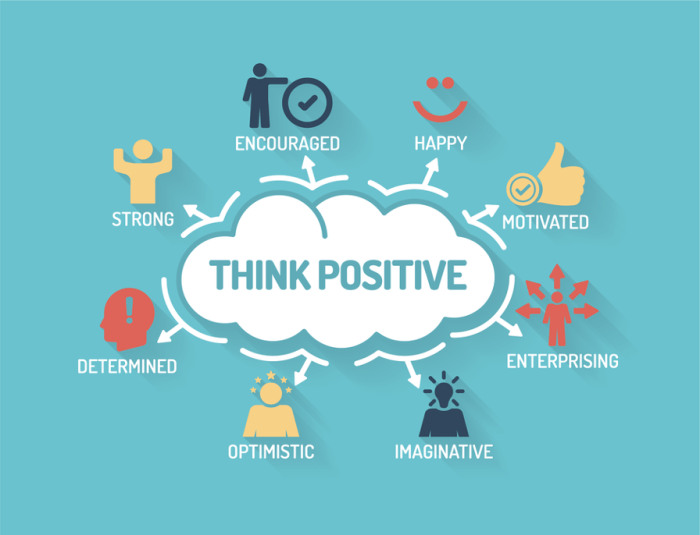
Clean eating refers to consuming whole, natural foods while avoiding processed and refined ones. This approach to nutrition has numerous benefits for both physical and mental well-being.Eating clean has a direct impact on mental clarity and emotional well-being. By fueling your body with nutrient-dense foods, you provide essential vitamins and minerals that support brain function.
This can lead to improved focus, concentration, and overall cognitive performance. Additionally, a clean diet can help stabilize blood sugar levels, which can prevent mood swings and promote a more stable emotional state.
Benefits of Clean Eating
- Improved mental clarity and focus
- Stable blood sugar levels for better mood regulation
- Reduced inflammation in the body, which can benefit mental health
- Increased energy levels to tackle daily challenges
Incorporating Clean Eating Habits, How to develop a positive mindset in challenging times
- Focus on whole foods such as fruits, vegetables, lean proteins, and whole grains
- Avoid processed foods high in added sugars, unhealthy fats, and artificial ingredients
- Meal prep and plan ahead to ensure access to nutritious options throughout the week
- Stay hydrated by drinking plenty of water and limiting sugary beverages
Impact on Overall Health and Positive Mindset
Clean eating plays a crucial role in maintaining overall health and fostering a positive mindset. By nourishing your body with nutrient-rich foods, you support your immune system, reduce the risk of chronic diseases, and enhance your physical well-being. This, in turn, can boost your confidence, self-esteem, and overall outlook on life.
Holistic Health
Understanding the concept of holistic health is crucial in developing a positive mindset. It involves taking care of the whole person – mind, body, and spirit – to achieve overall well-being.
Emotional Balance and Mental Wellness
Holistic practices play a significant role in supporting emotional balance and mental wellness. By addressing the root causes of stress and anxiety, these practices help individuals cultivate a sense of peace and harmony within themselves.
- Practicing mindfulness and meditation to calm the mind and reduce stress.
- Engaging in activities like yoga or tai chi to promote relaxation and improve mental clarity.
- Seeking therapy or counseling to address emotional issues and develop coping strategies.
Holistic Approaches to Mental Health Care
During challenging times, holistic approaches to mental health care can provide valuable support and healing. These approaches focus on treating the individual as a whole, considering their physical, emotional, and spiritual needs.
- Integrating nutritional therapy to support brain function and mood regulation.
- Using aromatherapy or essential oils to promote relaxation and reduce anxiety.
- Exploring energy healing practices like Reiki or acupuncture to restore balance and harmony.
Mindful Living
When it comes to developing a positive mindset in challenging times, mindfulness plays a crucial role in helping individuals navigate through difficult situations with clarity and resilience.
Mindfulness involves being fully present in the moment, acknowledging and accepting one’s thoughts and feelings without judgment. By practicing mindfulness, individuals can reduce stress, improve mental well-being, and enhance emotional balance even during tough circumstances.
Mindfulness Techniques
- Deep Breathing: Taking slow, deep breaths can help calm the mind and body, promoting relaxation and reducing stress levels.
- Body Scan Meditation: This technique involves focusing on each part of the body, noticing any tension or discomfort, and consciously releasing it to promote physical and mental relaxation.
- Mindful Walking: Paying attention to each step taken, the sensations in the feet, and the surroundings can help individuals stay grounded and present.
- Guided Imagery: Visualizing peaceful and calming scenes can help shift focus from negative thoughts to positive imagery, promoting a sense of calm and well-being.
Emotional Balance through Mindfulness
Practicing mindfulness regularly can help individuals develop emotional balance by enabling them to observe their thoughts and feelings without getting overwhelmed by them. By staying present in the moment and cultivating self-awareness, individuals can respond to challenging situations with clarity and composure, rather than reacting impulsively based on emotions.
Emotional Balance
Maintaining emotional balance is crucial in developing and sustaining a positive mindset, especially during challenging times. Our emotions play a significant role in how we perceive and respond to difficult situations, influencing our overall mental health and well-being.
Strategies for Achieving Emotional Equilibrium
- Practice mindfulness and self-awareness: Take the time to identify and understand your emotions without judgment. This can help you regulate your responses effectively.
- Engage in stress-reducing activities: Find healthy outlets for stress such as meditation, yoga, deep breathing exercises, or hobbies that bring you joy.
- Seek social support: Connect with friends, family, or a therapist to share your thoughts and feelings, gaining perspective and emotional support.
- Focus on gratitude and positivity: Cultivate a mindset of gratitude by acknowledging the good things in your life, even amidst challenges.
Impact of Emotional Intelligence on Mental Health
Emotional intelligence, which involves the ability to recognize, understand, and manage emotions effectively, plays a crucial role in overall mental health and well-being. Individuals with high emotional intelligence tend to navigate challenging situations with resilience, empathy, and adaptability. By developing emotional intelligence, individuals can enhance their coping mechanisms, build stronger relationships, and maintain a positive outlook even in the face of adversity.
Health Education
Health education plays a crucial role in promoting a positive mindset by providing individuals with the knowledge and skills necessary to take control of their well-being. By understanding the principles of health and wellness, individuals can empower themselves to make informed decisions, especially during challenging times.
Staying informed about mental health resources and support systems is essential for maintaining emotional resilience and seeking help when needed.
Empowerment Through Knowledge
Health education equips individuals with the information they need to make healthy choices, manage stress effectively, and build resilience in the face of adversity. By learning about the importance of mental health and well-being, individuals can take proactive steps to protect their emotional and psychological health.
Accessing Support Systems
Understanding mental health resources and support systems is crucial for individuals facing challenging times. Health education helps individuals identify where to turn for help, whether it be through therapy, support groups, hotlines, or online resources. Knowing that support is available can provide comfort and reassurance during difficult moments.
Chronic Disease
Chronic diseases can have a significant impact on mental health and emotional well-being. The ongoing management of conditions such as diabetes, heart disease, arthritis, and others can lead to feelings of frustration, anxiety, and even depression. The constant need to monitor symptoms, adhere to treatment plans, and cope with limitations imposed by the illness can take a toll on an individual’s overall quality of life.
Strategies for Coping with Chronic Conditions
- Develop a positive mindset: Focus on what you can control and find ways to adapt to the challenges presented by your condition.
- Stay connected: Build a strong support network of friends, family, healthcare providers, and support groups to help you through difficult times.
- Practice self-care: Prioritize activities that promote relaxation, stress reduction, and overall well-being, such as meditation, yoga, or hobbies you enjoy.
- Set realistic goals: Break down tasks into manageable steps and celebrate small victories along the way to maintain motivation.
- Seek professional help: Don’t hesitate to reach out to mental health professionals if you’re struggling to cope with the emotional impact of your chronic illness.
Importance of Support Network and Self-Care
Having a strong support network is crucial when dealing with chronic illnesses. Surrounding yourself with understanding and caring individuals can provide emotional support, practical help, and a sense of belonging. Additionally, practicing self-care is essential for maintaining a positive mindset and managing stress levels.
Prioritizing your physical, emotional, and mental well-being through self-care activities can help you navigate the challenges of living with a chronic condition.
Outcome Summary: How To Develop A Positive Mindset In Challenging Times
In conclusion, developing a positive mindset in challenging times is not just about positivity; it’s a holistic approach that encompasses physical, mental, and emotional well-being. By incorporating the strategies discussed, you can cultivate resilience and thrive even in the face of adversity.
Clarifying Questions
How can I maintain a positive mindset during tough times?
Focus on self-care practices, stay physically active, and seek support from loved ones or professionals.
What role does stress management play in developing a positive mindset?
Effective stress management techniques can help reduce anxiety and improve mental clarity, contributing to a positive outlook.
Why is quality sleep important for a positive mindset?
Quality sleep rejuvenates the mind and body, enhancing cognitive function and emotional well-being.
How does preventive care safeguard mental health?
Regular check-ups and seeking professional help proactively can prevent potential mental health challenges.


