
Importance of proper hydration during cardio exercise: Hydration is key to maximizing your workout potential, from boosting performance to preventing dehydration. Dive into the world of staying hydrated during cardio activities for a healthier, more effective exercise routine.
Proper hydration can make or break your cardio workout experience, affecting everything from energy levels to recovery. Let’s explore why staying hydrated is crucial before, during, and after your cardio sessions.
Importance of proper hydration during cardio exercise
Proper hydration plays a crucial role in optimizing performance during cardio workouts. Whether you are running, cycling, or engaging in any other form of cardiovascular exercise, maintaining adequate fluid levels is essential for your body to function at its best.
Effects of dehydration on the body during intense physical activity
- Dehydration can lead to decreased energy levels and endurance, making it difficult to sustain high-intensity workouts.
- It can also result in muscle cramps, dizziness, and even heat exhaustion, putting you at risk of injury or heat-related illnesses.
- Without enough fluids, your heart has to work harder to pump blood to your muscles, leading to increased heart rate and potential cardiovascular strain.
Benefits of staying properly hydrated before, during, and after cardio exercise
- Pre-workout hydration ensures that your body is adequately prepared for the physical demands of exercise, helping to maintain performance and prevent early fatigue.
- During exercise, staying hydrated helps regulate body temperature, lubricate joints, and transport nutrients and oxygen to muscles efficiently.
- Post-workout hydration is crucial for recovery, aiding in muscle repair, replenishing electrolytes lost through sweat, and promoting overall well-being.
Balanced Diet
Proper hydration during cardio exercise is not only about drinking enough water but also about maintaining a balanced diet that supports your body’s needs. A balanced diet consists of a variety of nutrients that play a crucial role in keeping you hydrated and energized during workouts.
Components of a Balanced Diet for Hydration
- Water-rich foods: Fruits and vegetables like watermelon, cucumbers, and oranges are high in water content, helping you stay hydrated during exercise.
- Electrolytes: Foods rich in electrolytes such as potassium, magnesium, and sodium are essential for maintaining fluid balance in the body and preventing dehydration.
- Carbohydrates: Consuming complex carbohydrates like whole grains and legumes provides a sustained source of energy for your workout, supporting hydration levels.
- Proteins: Including lean sources of protein like chicken, fish, and tofu in your diet helps with muscle repair and recovery post-exercise, contributing to overall performance.
- Healthy fats: Incorporating sources of healthy fats like avocados, nuts, and seeds aids in nutrient absorption and provides a source of sustained energy during cardio exercises.
Nutrients and Performance
A balanced diet rich in essential nutrients not only supports hydration but also enhances overall performance during cardio exercises. Carbohydrates provide the necessary energy for endurance, proteins aid in muscle repair and recovery, and healthy fats help sustain energy levels.
By consuming a variety of nutrients, you can optimize your workout performance and achieve better results.
Importance of a Balanced Diet
Maintaining a balanced diet is crucial to complement hydration for effective workouts. Without the right balance of nutrients, your body may lack the energy and resources needed to perform well during cardio exercises. A well-rounded diet ensures that you have the necessary fuel to power through workouts, recover efficiently, and maintain optimal hydration levels.
Remember, hydration and nutrition go hand in hand for a successful fitness routine.
Mental Wellness
Proper hydration plays a crucial role not only in physical performance but also in mental wellness during cardio exercise. Staying hydrated can significantly impact mood, cognitive function, and overall mental clarity, allowing you to perform at your best.
Connection between Hydration and Mental Clarity
Maintaining proper hydration levels is essential for optimal brain function. Dehydration can lead to decreased cognitive abilities, such as difficulty concentrating, memory problems, and overall mental fatigue. By staying hydrated, you can enhance your focus and concentration levels during cardio workouts, leading to better performance and results.
- Hydration and Mood: Dehydration can negatively affect mood by causing irritability, anxiety, and even feelings of depression. Drinking enough water throughout the day and especially before and during exercise can help regulate mood and promote a more positive mental state.
- Hydration and Cognitive Function: Water is essential for maintaining proper brain function, as it helps deliver nutrients and oxygen to the brain. Adequate hydration can improve cognitive abilities, such as problem-solving skills, decision-making, and overall mental alertness.
- Strategies for Mental Wellness: To ensure mental wellness during cardio exercise, it is important to stay hydrated before, during, and after your workout. Carry a water bottle with you, listen to music or podcasts to keep your mind engaged, and take short breaks to rehydrate and refocus.
Physical Fitness
Proper hydration plays a crucial role in enhancing physical endurance and stamina during cardio activities. When engaging in exercises like running, cycling, or aerobics, staying hydrated helps maintain optimal body temperature, heart rate, and energy levels.
Relationship Between Hydration, Muscle Function, and Overall Physical Performance
Maintaining adequate hydration levels is essential for optimal muscle function and overall physical performance. Dehydration can lead to muscle cramps, fatigue, and decreased strength, impacting your ability to perform at your best during cardio workouts. By staying hydrated, you can support muscle function, improve endurance, and enhance your overall physical performance.
- Hydration helps transport nutrients and oxygen to muscles, aiding in proper function and reducing the risk of cramping.
- Proper fluid intake supports joint lubrication, reducing the risk of injuries and improving overall mobility during exercise.
- Staying hydrated can help regulate body temperature, preventing overheating and enhancing your ability to sustain physical activity for longer durations.
Remember, even slight dehydration can significantly impact your physical performance, so it’s crucial to prioritize hydration before, during, and after your cardio workouts.
Tips for Maintaining Physical Fitness Through Adequate Hydration Practices
To ensure you stay properly hydrated and optimize your physical fitness during cardio exercise, consider the following tips:
- Drink water before, during, and after your workouts to replenish fluids lost through sweat.
- Monitor your urine color – pale yellow to clear indicates adequate hydration.
- Include hydrating foods like fruits and vegetables in your diet to supplement fluid intake.
- Avoid excessive caffeine and alcohol consumption, as they can contribute to dehydration.
- Carry a reusable water bottle with you to encourage consistent hydration throughout the day.
Adequate Hydration
Proper hydration is crucial for anyone engaging in cardio exercise. Dehydration can have serious consequences on performance and overall health. It is important to understand the signs of dehydration and the recommended fluid intake levels to stay hydrated during workouts.
Signs of Dehydration and Importance of Fluid Intake
- Signs of dehydration include increased thirst, dry mouth, dark yellow urine, fatigue, dizziness, and headache. It can negatively impact performance, focus, and recovery.
- Maintaining adequate fluid intake is essential to regulate body temperature, transport nutrients, and remove waste from the body. It also helps prevent muscle cramps and fatigue.
Recommended Hydration Levels
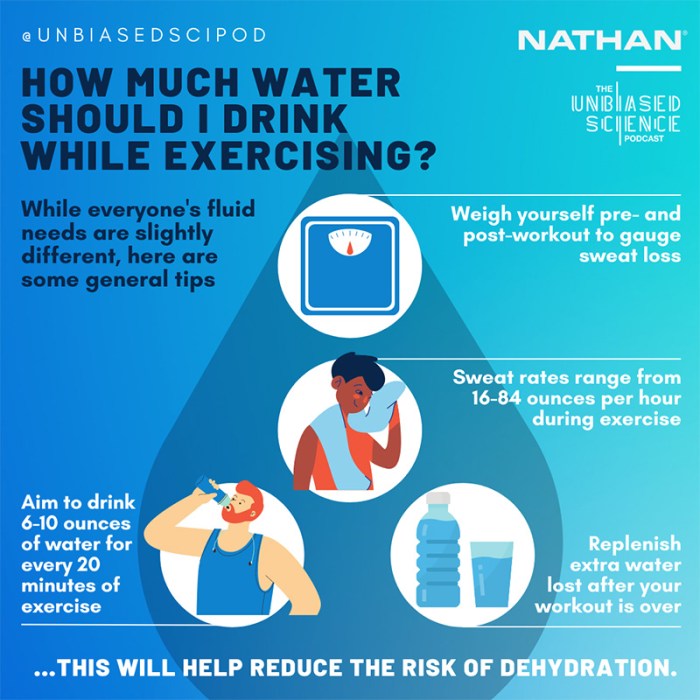
- For low-intensity cardio exercise, such as brisk walking or light jogging, aim to drink about 17-20 ounces of water 2 hours before the workout.
- During moderate-intensity activities like cycling or swimming, consume 7-10 ounces of water every 10-20 minutes to replace lost fluids.
- For high-intensity cardio workouts, like running or HIIT, drink 7-10 ounces of water every 10 minutes to maintain hydration levels.
Practical Tips for Proper Hydration
- Start hydrating early by drinking water throughout the day, not just before exercise.
- Avoid caffeinated or sugary drinks, as they can dehydrate the body.
- Carry a water bottle during workouts to sip on regularly and monitor fluid intake.
- After exercise, replenish lost fluids by drinking water or consuming hydrating foods like fruits and vegetables.
Regular Exercise
Regular exercise plays a crucial role in maintaining overall health and well-being. Consistent hydration practices are essential to supporting a sustainable routine of cardio exercise, as staying properly hydrated can enhance performance and prevent negative impacts on the body.
Role of Hydration in Recovery Post-Workout
After a cardio workout, the body loses fluids through sweat, which can lead to dehydration if not replenished adequately. Hydration post-workout is crucial for the body to recover and repair muscles. Drinking water helps in restoring the fluid balance, reducing muscle soreness, and promoting faster recovery.
Preventing Exercise-Related Injuries
Proper hydration is essential in preventing exercise-related injuries during cardio workouts. Dehydration can lead to muscle cramps, fatigue, and dizziness, increasing the risk of accidents or injuries. By maintaining proper hydration levels, individuals can reduce the likelihood of these issues and exercise safely and effectively.
Impact of Regular Exercise on Hydration Needs
Regular exercise increases the body’s need for hydration due to increased sweat production and fluid loss. It is important to drink an adequate amount of water before, during, and after exercise to maintain optimal performance and prevent dehydration. Staying hydrated not only supports exercise performance but also contributes to overall health benefits such as improved cardiovascular function and enhanced endurance.
Healthy Lifestyle
Proper hydration is a fundamental aspect of a healthy lifestyle that encompasses balanced nutrition and regular exercise. It plays a crucial role in maintaining overall well-being and optimizing bodily functions.
The Holistic Approach to Health
Incorporating adequate hydration practices into a holistic approach to health involves recognizing the interconnectedness of various aspects of wellness. Hydration not only impacts physical fitness but also mental well-being and overall performance. By prioritizing hydration alongside nutrition and exercise, individuals can achieve a more comprehensive and balanced approach to their health.
- Hydration supports the body’s ability to regulate temperature, transport nutrients, and eliminate waste efficiently. Proper hydration is essential for optimal organ function and overall health.
- Dehydration can lead to decreased physical performance, cognitive function, and mood. By staying adequately hydrated, individuals can enhance their energy levels, focus, and overall quality of life.
- Integrating hydration into a broader healthy lifestyle can help prevent various health issues, such as kidney stones, urinary tract infections, and digestive problems. It also supports immune function and aids in weight management.
Nutrient-Rich
Proper hydration during cardio exercise is not only about drinking water but also about consuming nutrient-rich foods and beverages. These foods play a crucial role in supporting hydration levels and overall performance during workouts.
Role of Vitamins and Minerals
Vitamins and minerals are essential for maintaining proper fluid balance in the body. For example, electrolytes like sodium, potassium, and magnesium help regulate fluid levels and prevent dehydration during intense exercise. Vitamin C and B vitamins also play a role in energy production and hydration.
- Foods rich in electrolytes: Bananas, leafy greens, nuts, seeds, and coconut water are excellent sources of electrolytes that can help replenish lost minerals during cardio exercise.
- Vitamin C sources: Citrus fruits, bell peppers, strawberries, and kiwi are high in vitamin C, which can boost immunity and support hydration.
- B vitamin-rich foods: Whole grains, lean meats, dairy products, and leafy greens are packed with B vitamins that aid in energy metabolism and hydration.
Stress Management
Proper hydration plays a crucial role in managing stress levels, especially during cardio exercise. When the body is dehydrated, cortisol levels can increase, leading to heightened stress responses and making workouts feel more challenging.
Link Between Hydration and Stress
Maintaining adequate hydration levels can help regulate cortisol, the stress hormone, keeping it at a balanced level during physical exertion. Dehydration can lead to an increase in cortisol production, causing higher stress levels and potentially impacting performance.
- Drink water before, during, and after your cardio workouts to ensure proper hydration.
- Consider incorporating electrolyte-rich beverages or sports drinks to replenish lost fluids and minerals during intense exercise sessions.
- Monitor your urine color to gauge hydration levels – pale yellow to clear urine indicates adequate hydration.
- Pair hydration practices with stress management techniques such as deep breathing, meditation, or yoga to enhance overall well-being.
Preventive Care
Proper hydration is a crucial aspect of preventive care, especially during cardio exercise, as it helps in safeguarding the body against heat-related illnesses and other health risks.
Hydration and Immune System Support, Importance of proper hydration during cardio exercise
Maintaining adequate hydration levels plays a significant role in supporting the body’s immune system. Dehydration can weaken the immune response, making the body more susceptible to illnesses and infections. By staying hydrated, you can enhance your body’s ability to fight off pathogens and maintain overall resilience.
Tips for Incorporating Hydration in Fitness Routines
- Start your day with a glass of water to kickstart hydration.
- Carry a reusable water bottle and sip on water throughout the day.
- Monitor your urine color to ensure you are adequately hydrated (pale yellow is ideal).
- Include hydrating foods like fruits and vegetables in your diet.
- Drink water before, during, and after your cardio workout sessions.
Proper Nutrition
Proper nutrition plays a crucial role in supporting optimal performance during cardio exercise. The relationship between hydration and proper nutrition is essential for overall health and well-being.A well-rounded diet complements hydration needs by providing essential nutrients that support hydration levels in the body.
Balancing macronutrients such as carbohydrates, proteins, and fats, along with micronutrients like vitamins and minerals, is vital for maintaining proper hydration during exercise.
Balancing Macronutrients and Micronutrients
- Adequate intake of carbohydrates helps provide energy for sustained physical activity, ensuring proper hydration levels are maintained.
- Proteins play a key role in muscle repair and recovery, supporting overall performance during cardio exercise and contributing to hydration balance.
- Incorporating healthy fats into the diet helps support cellular function and nutrient absorption, which is important for maintaining hydration levels in the body.
- Consuming a variety of fruits and vegetables rich in vitamins and minerals helps support overall health and hydration, contributing to optimal performance during cardio exercise.
Quality Sleep
Proper hydration plays a crucial role not only during cardio exercise but also in ensuring quality sleep and optimal recovery post-workout. Let’s delve into how hydration impacts sleep quality and muscle repair, as well as some tips for maintaining adequate hydration levels for overall well-being.
Impact of Hydration on Sleep Quality and Recovery
Adequate hydration is essential for promoting restful sleep as it helps regulate body temperature and facilitates the transport of nutrients to muscles for repair and recovery. Dehydration can lead to discomfort, muscle cramps, and even disrupt sleep patterns, affecting the body’s ability to recover effectively after intense physical activity.
- Hydration affects the production of melatonin, the hormone that regulates sleep-wake cycles. Proper hydration can help in the natural production of melatonin, promoting better sleep quality.
- During sleep, the body repairs and rebuilds muscles that have been stressed during exercise. Water is essential for this repair process, as it helps transport nutrients and remove waste products from the muscles.
- Dehydration can lead to increased muscle soreness and prolonged recovery time after workouts. By staying hydrated, you can support the body’s ability to repair and build muscle effectively.
Tips for Maintaining Hydration Levels for Quality Sleep
Maintaining adequate hydration levels throughout the day is key to supporting quality sleep and overall well-being. Here are some tips to help you stay hydrated:
- Drink water consistently throughout the day, not just during workouts. Carry a reusable water bottle to remind yourself to stay hydrated.
- Monitor your urine color
pale yellow to clear urine is a good indicator of proper hydration.
- Avoid excessive caffeine and alcohol consumption, as they can contribute to dehydration and disrupt sleep patterns.
- Include hydrating foods in your diet, such as fruits and vegetables with high water content, to supplement your fluid intake.
- Establish a bedtime routine that includes drinking a glass of water before bed to ensure you are hydrated throughout the night.
Cardio Health
Proper hydration plays a crucial role in maintaining cardiovascular health during exercise. When engaging in cardio activities, the body loses fluids through sweat, which can lead to dehydration if not replenished adequately.
Benefits of Cardio Exercise on Heart Health
Cardio exercises such as running, swimming, or cycling help strengthen the heart muscle, improve circulation, and lower blood pressure. These activities also increase the heart rate, which enhances cardiovascular endurance and overall heart health.
- Improved heart function
- Reduced risk of heart disease
- Enhanced blood flow
- Lowered cholesterol levels
Role of Hydration in Maximizing Cardio Benefits
Proper hydration ensures that the heart can efficiently pump blood to the muscles during exercise, optimizing performance and endurance. Dehydration can strain the heart and lead to decreased cardiovascular function, affecting overall workout efficiency.
Staying hydrated helps maintain adequate blood volume, allowing the heart to pump efficiently and effectively during cardio exercise.
Importance of Hydration for Cardiovascular Fitness
Hydration is essential for maintaining cardiovascular fitness as it helps regulate body temperature, transport nutrients, and remove waste products. Adequate hydration supports optimal heart function and overall cardiovascular health, making it crucial for individuals engaging in regular cardio activities.
Immune Boost
Proper hydration plays a crucial role in supporting the body’s immune system, especially during cardio exercise. By understanding the connection between hydration, immune function, and overall health, we can take steps to reduce the risk of illness and boost immunity effectively.
Benefits of Hydration for Immune Function
- Staying hydrated helps in the production of lymph, a fluid that carries immune cells throughout the body to fight off infections and illnesses.
- Hydration supports the mucous membranes in the respiratory and digestive systems, acting as a barrier against pathogens entering the body.
- Proper hydration ensures the optimal function of the immune system by aiding in the removal of toxins and waste products from the body.
Tips for Boosting Immunity through Hydration
- Drink an adequate amount of water before, during, and after cardio exercise to maintain hydration levels.
- Include foods with high water content in your diet, such as fruits and vegetables, to supplement your hydration needs.
- Avoid excessive consumption of dehydrating beverages like alcohol and caffeinated drinks that can hinder immune function.
- Consider electrolyte-rich drinks or coconut water to replenish essential minerals lost during intense workouts and support immune health.
Positive Mindset
Proper hydration plays a crucial role in enhancing mental resilience and fostering a positive mindset during cardio workouts. When your body is well-hydrated, your brain functions optimally, allowing you to stay motivated and focused on your exercise goals.
Psychological Benefits of Hydration
- Hydration helps in maintaining cognitive function, improving mood, and reducing feelings of fatigue and stress.
- Proper hydration can enhance your ability to concentrate and stay mentally sharp during cardio sessions.
- Dehydration can lead to irritability, lack of focus, and decreased motivation, affecting your overall workout performance.
Strategies for Cultivating a Positive Mindset Through Hydration and Exercise
- Start your day with a glass of water to kickstart your hydration levels and set a positive tone for your workout.
- Carry a reusable water bottle with you during your cardio sessions to ensure you stay hydrated throughout the workout.
- Set hydration goals for yourself and track your water intake to ensure you are meeting your daily hydration needs.
- Practice mindfulness techniques such as deep breathing or visualization while hydrating to stay present and focused on your workout.
Clean Eating
Clean eating involves consuming whole, unprocessed foods that are nutrient-rich and free from additives or preservatives. This approach to nutrition focuses on fueling the body with foods in their most natural state to promote overall health and well-being.
Synergy with Proper Hydration
Clean eating and proper hydration go hand in hand when it comes to achieving fitness goals. By choosing whole foods over processed options, you are more likely to consume foods with high water content, such as fruits and vegetables. These foods not only provide essential nutrients but also contribute to your daily hydration needs.
Promoting Hydration Through Whole Foods
- Eating fruits like watermelon, strawberries, and oranges can help increase your water intake due to their high water content.
- Including vegetables like cucumbers, lettuce, and zucchini in your meals can also contribute to your hydration levels.
Examples of Clean Eating Choices
Here are some examples of clean eating choices that support hydration and provide overall health benefits:
- Quinoa salad with mixed greens, cherry tomatoes, and avocado
- Grilled salmon with steamed asparagus and quinoa
- Smoothie bowl with spinach, banana, berries, and almond milk
Daily Activity
Maintaining proper hydration levels throughout daily physical activities is crucial for optimal performance and overall well-being. Hydration plays a key role in supporting energy levels and ensuring that your body functions efficiently throughout the day. By incorporating hydration into your daily routine, you can enhance your productivity and stay healthy.
Importance of Hydration in Daily Tasks
- Hydration helps regulate body temperature, especially during physical activities, preventing overheating or dehydration.
- Proper hydration supports cognitive function, improving focus and concentration during daily tasks.
- Water is essential for transporting nutrients and oxygen to cells, aiding in proper organ function and overall performance.
Tips for Incorporating Hydration into Daily Routines
- Carry a reusable water bottle with you throughout the day to ensure easy access to hydration.
- Set reminders or establish a schedule for drinking water at regular intervals, especially during busy periods.
- Incorporate hydrating foods such as fruits and vegetables into your meals to supplement your water intake.
- Avoid excessive consumption of caffeinated or sugary beverages, as they can contribute to dehydration.
Holistic Health
Proper hydration, balanced nutrition, regular exercise, and mental well-being are all essential components of holistic health. When these aspects are in harmony, individuals can achieve overall wellness and vitality.
Hydration in Holistic Health
Hydration plays a critical role in maintaining balance and harmony within the body. Water is essential for various bodily functions, including temperature regulation, nutrient transportation, and waste removal. Adequate hydration is key to supporting overall health and well-being.
- Hydration and Nutrition: Water is necessary for the digestion, absorption, and transportation of nutrients in the body. Proper hydration ensures that essential vitamins and minerals are effectively utilized.
- Hydration and Exercise: During physical activity, the body loses water through sweat. Staying hydrated helps maintain optimal performance, endurance, and recovery during exercise.
- Hydration and Mental Well-Being: Dehydration can negatively impact cognitive function, mood, and overall mental well-being. Drinking enough water is crucial for maintaining focus, clarity, and emotional balance.
- Interconnectedness of Hydration: Hydration is interconnected with nutrition, exercise, and mental health. When all these aspects are in sync, individuals experience improved energy levels, immune function, and overall vitality.
Mindful Living: Importance Of Proper Hydration During Cardio Exercise
Living mindfully involves being fully present and aware of your thoughts, feelings, and surroundings. This practice can greatly enhance various aspects of your life, including staying hydrated during cardio workouts.
By incorporating mindfulness into your hydration routine, you can cultivate a deeper awareness of your body’s needs and signals. This heightened awareness can help you stay hydrated more effectively, leading to improved performance during cardio exercises and overall well-being.
Tips for Integrating Mindfulness with Hydration Practices
- Start your day with a mindful hydration ritual, taking time to appreciate the act of drinking water and how it nourishes your body.
- Listen to your body’s cues for thirst and hydration, rather than relying solely on external factors or arbitrary guidelines.
- Practice mindful breathing exercises while hydrating, focusing on the sensation of the water entering your body and nourishing your cells.
- Avoid distractions while drinking water, such as scrolling through your phone or watching TV, to fully experience the act of hydrating.
- Be grateful for the clean, fresh water you have access to and acknowledge the privilege of being able to stay hydrated easily.
Emotional Balance
Proper hydration plays a crucial role in maintaining emotional balance and regulating stress responses. When we are dehydrated, our mood can be negatively impacted, leading to increased feelings of irritability, anxiety, and fatigue.
Relationship between Hydration and Emotional Well-being
Staying hydrated is essential for supporting emotional balance during cardio exercise. Dehydration can amplify the body’s stress response, making it harder to cope with the physical and emotional demands of a workout. By ensuring adequate hydration, you can better regulate your emotions and stay resilient during challenging exercise routines.
- Hydration helps maintain cognitive function, which is important for emotional regulation.
- Proper hydration can prevent headaches and dizziness, which can contribute to emotional instability.
- Drinking water can have a calming effect on the nervous system, reducing feelings of stress and anxiety.
Strategies for Emotional Equilibrium through Hydration
Maintaining emotional equilibrium through hydration and self-care practices is crucial for overall well-being. Here are some strategies to help support emotional balance during exercise:
- Drink water before, during, and after your workout to stay hydrated and support emotional resilience.
- Practice deep breathing exercises to help manage stress and maintain emotional stability.
- Engage in activities that bring you joy and relaxation, such as listening to music or spending time in nature.
- Avoid excessive caffeine and alcohol consumption, as they can dehydrate the body and impact emotional well-being.
Health Education
Proper health education plays a crucial role in promoting awareness of hydration needs during exercise. By educating individuals about the importance of staying hydrated during cardio workouts, they can better understand how hydration impacts their performance and overall well-being.
Empowering Informed Choices
Health education empowers individuals to make informed choices about their hydration needs during exercise. By providing information on the benefits of proper hydration, the risks of dehydration, and practical tips for staying hydrated, education enables individuals to take control of their health and make decisions that support their fitness goals.
- Hydration guidelines for different types of cardio exercises
- Signs and symptoms of dehydration to watch out for during workouts
- Strategies for incorporating hydration into pre, during, and post-exercise routines
Enhancing Health Education
To enhance health education on hydration and fitness, individuals can access a variety of resources and information sources. These may include online articles, educational videos, workshops, and seminars focused on proper hydration practices for optimal performance and health.
Remember, staying hydrated is not just about drinking water – it’s about maintaining a balance of fluids and electrolytes to support your body’s functions during exercise.
Self-Care
Hydration plays a crucial role in self-care practices as it not only nurtures the body but also the mind during physical activity. Proper hydration is a foundational aspect of self-nurturing, contributing to overall well-being.
The Role of Hydration in Self-Care
- Hydration is a form of self-care that supports the body’s functions, especially during cardio exercise, by regulating body temperature and maintaining energy levels.
- By staying adequately hydrated, individuals can reduce the risk of dehydration-related complications and enhance their performance during workouts, promoting a sense of well-being.
- Prioritizing hydration as part of self-care practices fosters a mindful approach to physical activity, encouraging individuals to listen to their bodies and respond to their hydration needs.
Self-Care Strategies for Hydration
- Carry a reusable water bottle to ensure easy access to water throughout the day, reminding yourself to stay hydrated.
- Set hydration goals based on your activity level and body weight, aiming to consume an adequate amount of water regularly.
- Incorporate hydrating foods such as fruits and vegetables into your diet to supplement your water intake and boost hydration levels.
- Practice mindful drinking by sipping water slowly and consciously, allowing your body to absorb and utilize the fluids effectively.
Chronic Disease
Proper hydration plays a crucial role in managing chronic diseases like diabetes and hypertension. By ensuring adequate fluid intake, individuals can help prevent the onset or progression of these conditions, ultimately contributing to better health outcomes.
Preventive Role of Hydration
- Staying hydrated can help regulate blood sugar levels in individuals with diabetes, reducing the risk of complications.
- Proper hydration supports healthy blood pressure levels, which is essential for managing hypertension and reducing the risk of heart disease.
- Hydration aids in flushing out toxins from the body, promoting overall wellness and potentially reducing inflammation associated with chronic diseases.
Tips for Individuals with Chronic Conditions
- Carry a reusable water bottle to ensure easy access to fluids throughout the day.
- Set reminders to drink water regularly, especially if you have a busy schedule that may cause you to forget.
- Monitor your urine color – a pale yellow color indicates adequate hydration, while darker shades may signal dehydration.
- Incorporate hydrating foods like fruits and vegetables into your diet to supplement your fluid intake.
- Aim to drink water before, during, and after physical activity to replenish lost fluids and support overall hydration.
Closure
In conclusion, the significance of maintaining proper hydration during cardio exercise cannot be overstated. By prioritizing hydration, you’re not just quenching your thirst but also fueling your body for success in every workout. Stay hydrated, stay healthy, and keep crushing those fitness goals!
Questions Often Asked
How does hydration impact performance during cardio exercise?
Proper hydration optimizes energy levels and endurance, enhancing overall performance and preventing fatigue.
What are the recommended hydration levels for different intensities of cardio workouts?
For low to moderate intensity, aim for 5-7 ounces every 10-20 minutes. For high intensity, increase to 7-10 ounces.
Can dehydration affect mental clarity during cardio activities?
Absolutely. Dehydration can lead to decreased focus, mood swings, and cognitive function, impacting your workout performance.
How can hydration help prevent heat-related illnesses during cardio sessions?
Proper hydration regulates body temperature, reducing the risk of heat exhaustion or heat stroke while exercising.
What are some nutrient-rich sources that can enhance hydration levels?
Foods like watermelon, cucumbers, and oranges are excellent hydrating options due to their high water content and essential nutrients.


